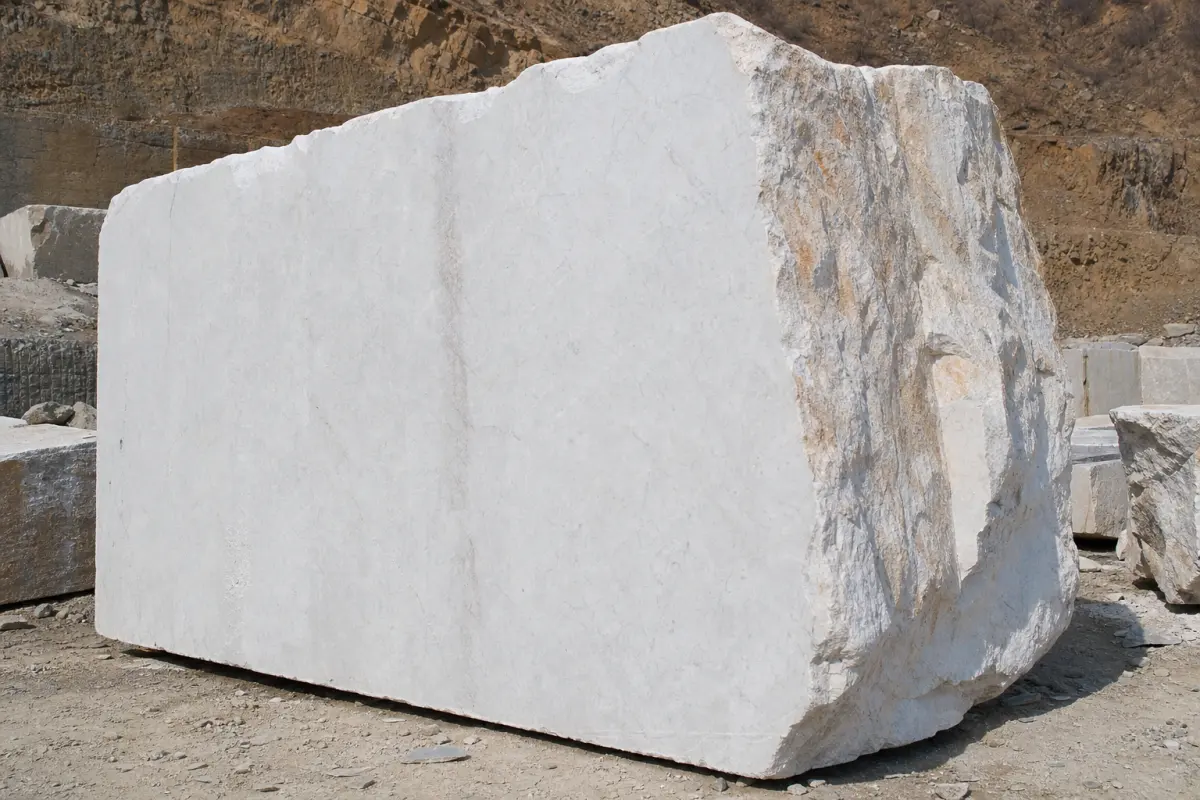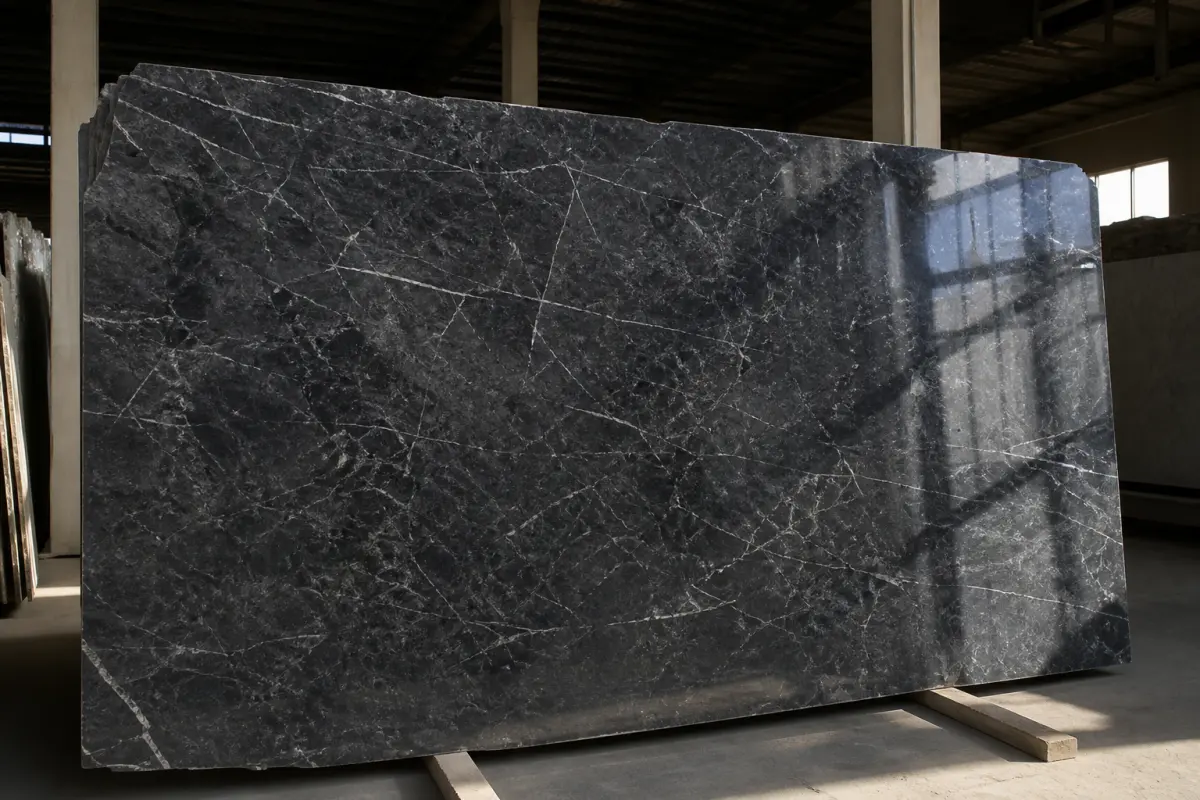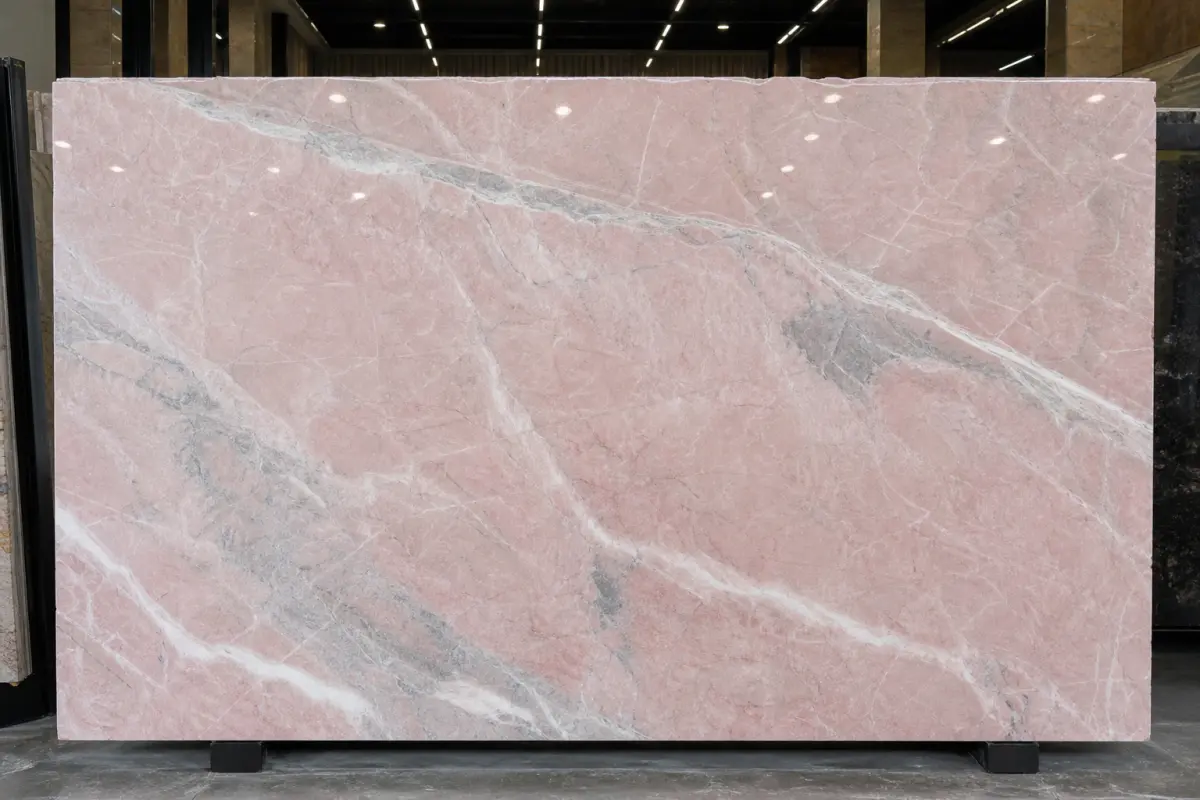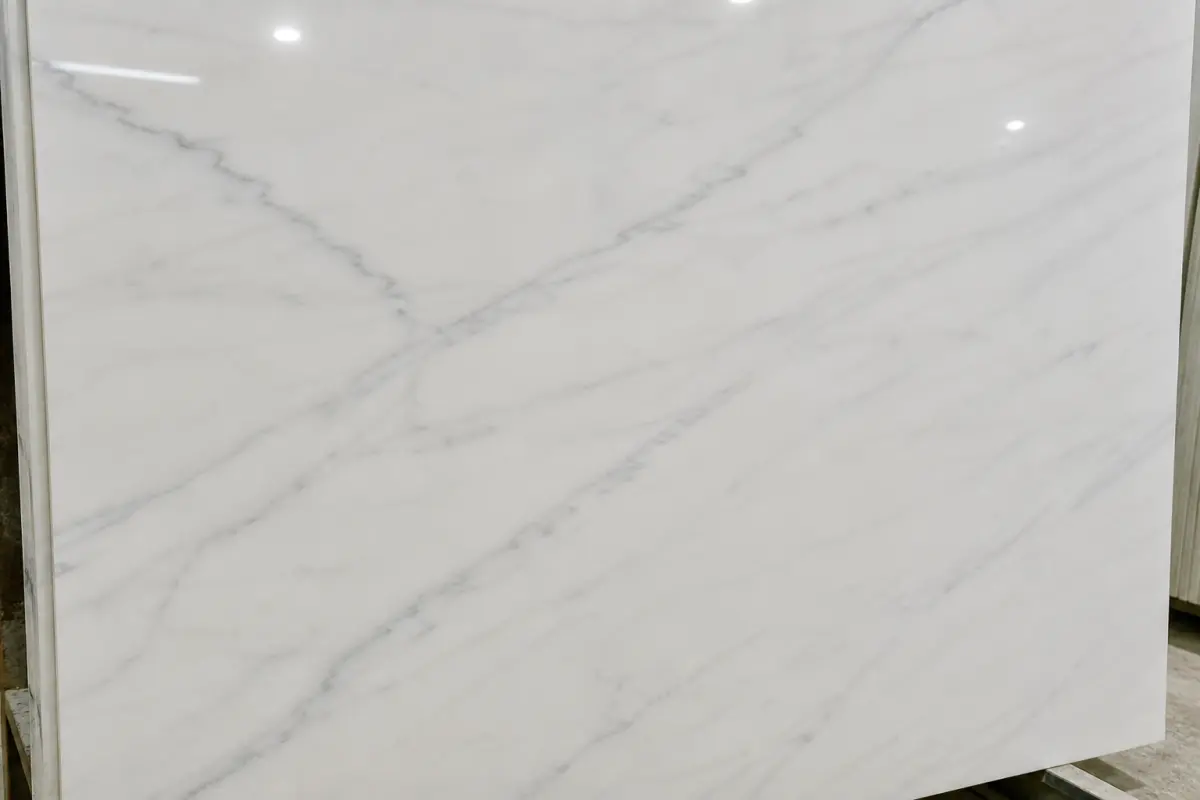
Verified KPK marble exporters on StoneVaults are companies that passed profile and document review—not a substitute for mill video. This closing guide shows how to compare Zeex Naturals, AYAZ MARBLE, and other Buner–Bampokha listings, then RFQ on the marketplace.
This is the closing page of the Buner–Bampokha buyer series: how to shortlist verified marble exporter Pakistan names that actually sit in Khyber Pakhtunkhwa, how to read a StoneVaults supplier profile, and how to move from a badge to a comparable RFQ. A verified badge is not a quarry tour and it is not a credit guarantee. It is a filter. Use it to stop paying deposits to empty letterheads. Then do the mill work the rest of this series described: spec, Incoterm, manufacturer identity, shade lots.
Start on the directory at /suppliers and the live catalogue at /marketplace. Filter Pakistan when you want origin, not a global scroll. Open profiles. Compare what they claim to saw with what they list. Only then paste the RFQ spec from the marketplace article. Shortlists that begin in a Google ads tab will keep landing you in Karachi offices that rank for KPK marble exporter without owning a blade in Swari.
What “verified” means on StoneVaults—at a high level
Suppliers on StoneVaults create a company profile: legal name, location, quarry and factory fields, and the documents the platform asks for in a know-your-business review. Compliance files go through an admin check. When the profile is accepted, the account can publish listings and appear in the supplier directory with a verified manufacturer badge. Rejected or pending accounts do not get that public trust mark. That is the spine. It is KYB and listing hygiene, not a StoneVaults employee standing on your gangsaw every week.
Read the badge as “this company showed up as a company.” Do not read it as “this container is already inspected.” First-order mill video, bundle photos, and—when the value hurts—third-party inspection still apply. The vetting checklist for importers and architects remains the field manual; verification is the gate that makes that checklist worth running on fewer names. If a profile is unverified, you may still deal, but you should assume more document friction and you should not skip NTN and mill proof.
Verification can be revoked. Factories change owners; documents expire; behaviour on the platform matters. A badge you saw last year is not a lifetime certificate. Open the live profile on the day you RFQ. Check factory location and product photos still match the story you remember. Treat stale hero images the way you treat stale Google directories.
How to read a KPK supplier profile before you talk
Look for a factory location that names a mill geography—Buner Swari, Torwarsak, a finishing yard plus a quarry note—not only “Pakistan” or “Karachi.” Look for quarry location if they claim Bampokha or Nanser. Look at services: quarry-direct slabs, container export, cut-to-size, sampling. A profile that only says “import export” is a trader script. Look at listings: thickness, finish, origin, and real photographs of the SKU. Empty catalogues with a verified badge are still empty.
Compare quarry photos with product photos. A mill that shows blocks and polished slabs is easier to trust than a mill that shows a reception desk. Compare response behaviour once you RFQ: manufacturers ask about millimetres; brokers ask about your WhatsApp. Keep the conversation on the platform thread so the spec does not evaporate into voice notes.
Use the rest of the series as a reading key. The B2B marketplace for marble in Pakistan explains why you are on this site instead of a dozen chats. The KPK buyer map places Buner against Swat, Mardan, and the Karachi layer. The Buner factory-direct guide is the district playbook. The Bampokha suppliers cluster is the white-stone neighbourhood. This page is only how to pick names on StoneVaults once those maps are in your head.
Zeex Naturals: what to compare, not what to assume
Zeex Naturals is a Buner-linked profile that publishes the SKUs this series keeps using as examples: Bampokha whites, Super White, Badal grey, blacks, tiles, onyx, and raw blocks, with quarry and factory fields pointing at the Swari / Buner belt and finishing capacity. That makes it a useful benchmark listing: you can open a product page, steal the thickness and photo discipline for your RFQ, and see what a complete KPK catalogue looks like. Benchmark is not award. Run the manufacturer tests anyway—live gangsaw video, NTN on the invoice, block yard for the lot you will buy.
Use Zeex listings to train your eye. If a second supplier quotes “Bampokha No.1” with no thickness and a stock photo, you already know the standard. If they quote FOB without a port, you already know the gap. If they cannot show a block, you already know they are not that mill this month. A verified exporter with public SKUs raises the bar for everyone else in your shortlist, which is the point of a marketplace.
Do not treat sponsored or spotlight placement as geology. Placement is visibility. Shade is still a photograph of a bundle. Ask Zeex—or any mill in that seat—which feeder they saw on and whether your lot is stock or to-cut. The electricity article taught you to ask; the profile does not answer until you RFQ.
AYAZ MARBLE and other KPK listings
AYAZ MARBLE is the other named profile this series tells you to open beside Zeex: a second KPK seller page, not a clone. Compare legal name, city, factory location, and what they actually list. If one catalogue is slab-heavy and the other is trader-wide, your PO should follow the catalogue, not the nicer logo. If both list Bampokha white, demand two different mill videos. Two profiles can trade the same shed; the manufacturer article warned you about that.
Other KPK listings will appear as the directory grows. Apply the same grid every time: verified status, factory pin, SKU photos, export language (FOB named port versus EXW only), and whether they admit trader versus mill. A verified trader can still be the right counterparty for a first CIF experiment if they name the mill. A verified mill is the right counterparty for a hotel shade lot. Mix them on purpose, not by accident.
If a profile is thin—no products, no quarry field, generic world-map copy—leave it off the shortlist even if the badge is green. Verification got them in the door. Catalogue quality gets them a quote request. You are not obliged to RFQ everyone in KPK. You are obliged to RFQ comparable factories.
When two verified KPK exporters list the same commercial name, open the product pages and compare origin text, thickness call-outs, and whether the photo shows a mill bundle or a showroom tile. A Bampokha listing that cannot name Buner, and a Super White listing that cannot show an edge, are not equivalent to a mill that publishes both. Put those product URLs in the RFQ as visual references so bidders cannot pretend they never saw the standard.
A shortlist workflow that fits this series
Step one: map the stone. Bampokha white field, Super White alternate, Badal corridors, block programme for China, hotel FF&E, mosque package—pick the article that already named the SKU and do not reopen geology in the RFQ. Step two: open /suppliers, filter for Pakistan / KPK, and pick three to five verified profiles with listings that match the SKU. Step three: publish one RFQ using the spec sheet in marble RFQ on a Pakistan B2B marketplace so every bidder sees the same thickness, shade band, MOQ, Incoterm, and photos.
Step four: assign cost ownership with FOB Karachi from KPK factories. Do not let one mill bid EXW and another bid CIF in the same table. Step five: run the identity tests in manufacturers versus traders on the two cheapest comparable bids. Step six: if the job is a GCC hotel, add shade-lot IDs and attic stock from GCC hotel marble from Buner before you award. That is a closed loop. Skipping to step six with a Google number is how this series started.
Keep a backup mill in the same colour family. Buner’s density is the backup: Torwarsak and Swari are full of sheds that can cut a cousin of your white if you approved a band, not a fairy-tale unique block. Dual-source after PO-1. Verification helps you find the second name faster. It does not create spare blocks in the first mill’s yard.
After the shortlist is three names, buy samples like a grown-up. Courier a piece from each mill with the thickness you will install, not a 10 cm chip of leftover polish. Photograph them together on one board in the destination city’s light. Award the mill whose sample matches the board and whose PI matches the RFQ, even if they were not the cheapest screenshot. Then put the losing mills in a backup folder with their lot photos dated. Next year, when the winner is blade-full or dark on a feeder, you already know who else can saw the band.
Payment hygiene does not change because a badge is green. Deposit to the company on the PI, not to a personal wallet. Milestone against saw start and packing photos. If a verified profile asks you to leave the platform and finish on WhatsApp only, copy the agreed spec back onto the marketplace thread anyway. Chat is how Buner talks; the thread is how you prove what was agreed when PO-2 arrives. Buyer-protection habits from the northern-Pakistan scams article still apply to verified names. Verification reduces impersonation. It does not repeal greed.
What the badge does not do
It does not inspect your crate. It does not pay for inland breakage. It does not make PESCO deliver a night shift. It does not convert a trader into a manufacturer. It does not replace the scams checklist if someone asks for a full deposit to a personal wallet. It does not mean the listed price is FOB Port Qasim. Read every PI as if the badge were absent, then use the badge only to decide whom to invite.
It also does not mean StoneVaults is the exporter. The mill or their nominated shipper is the exporter. The platform is where the spec and the bids live. When something goes wrong, your contract is with the supplier on the PI. Keep that boring fact in the file so nobody tries to make a marketplace thread into a marine policy.
Series recap: the internal map
If you arrived here first, work backwards only as far as your job requires. Marketplace mechanics: B2B marketplace for marble in Pakistan. District geography: complete KPK buyer map. Factory-direct Buner: Buner supplier factory-direct guide. White cluster: Bampokha quarry cluster. Older companions still worth a tab: quarry-direct Buner 2026, Torwarsak–Swari map, export documents, vetting checklist. You do not need all of them on a tile PO. You do need the RFQ spec and the identity tests on every container.
International desks have their own doors in this series—UAE, Saudi, Qatar, China blocks, USA/Canada whites. They change destination documents and taste. They should not change how you shortlist a verified KPK mill. Same badge, same mill video, same Incoterm line.
Call to action, without a second speech
Open verified suppliers. Open Zeex Naturals and AYAZ MARBLE as calibration, then two more KPK profiles that list your SKU. Publish the RFQ on the marketplace with thickness, finish, shade band, MOQ, Incoterm, port, and photos. If you are not ready to publish, use /contact and paste the same spec anyway. Do not send “need white marble from Pakistan.” That sentence is how unverified inboxes win.
When quotes return, award the mill that matched the spec and proved the saw, not the mill that matched your hope. Keep the thread. The second PO is where Buner exporters become valuable, and the platform is where that second PO can still find the lot ID.
How listings, RFQs, and profiles should agree
A verified profile that lists Bampokha No.1 should be able to put that same commercial name on a proforma. A profile that lists raw blocks should be able to show a yard, not only a polished showroom. If the RFQ asks for 2 cm polished FOB Karachi and the PI comes back EXW Mingora with “white marble mix,” you do not have a bid. You have a different product. Verification does not repair that mismatch. You reject the PI and keep the mill that quoted the RFQ.
Browse raw blocks when the programme is a destination mill in China or a local gangsaw you control. Browse slab SKUs when the programme is a Gulf fabricator. Browse 60×60 tiles when calibration is the product. The directory is one list of companies; the catalogue is the list of things they claim to sell this month. Shortlist on both. A verified exporter with no matching SKU is a phone number. A SKU with no verifiable mill is a picture.
Keep the public profile URL in your award file next to the PI. If ownership of the mill changes, you will want to know which StoneVaults page you trusted. That is boring administration. It is also how a two-year hotel programme survives a cousin taking over a shed in Swari. Re-open the profile before PO-3. Re-ask for mill video if the photos went stale. The badge is a start-of-thread filter, not an end-of-project blessing.
Frequently asked questions
Is every verified supplier a factory in Buner?
No. Verified means the company passed platform review. Factory location is a profile field you must read. Karachi exporters can be verified too. If you need a Buner saw, require a Buner pin and a mill video.
Can I skip mill video because the badge is green?
No. Skip video only after you have history with that shed. First container: live pan from gangsaw to your block.
Why name Zeex Naturals and AYAZ MARBLE?
They are live StoneVaults profiles buyers can actually open while reading this series. They are calibration pages, not an exclusive vendor list. Add whoever else in the directory meets the SKU and the identity tests.
Where do I start if I only want blocks for China?
Filter raw block, read the Bampokha cluster piece, and still shortlist verified KPK names who show yards. Blocks need the same shipper and Incoterm honesty as slabs. The badge does not weigh the stone.
Verified KPK marble exporters on StoneVaults are a shortlist tool. Buner and Bampokha still require a spec, a term, and a saw. Use the directory to find the names, the marketplace to make them bid the same job, and the rest of this series to keep the mountain, the mill, and the port in the right columns. That is the whole method. Everything else is a photo of a slab you have not numbered yet.