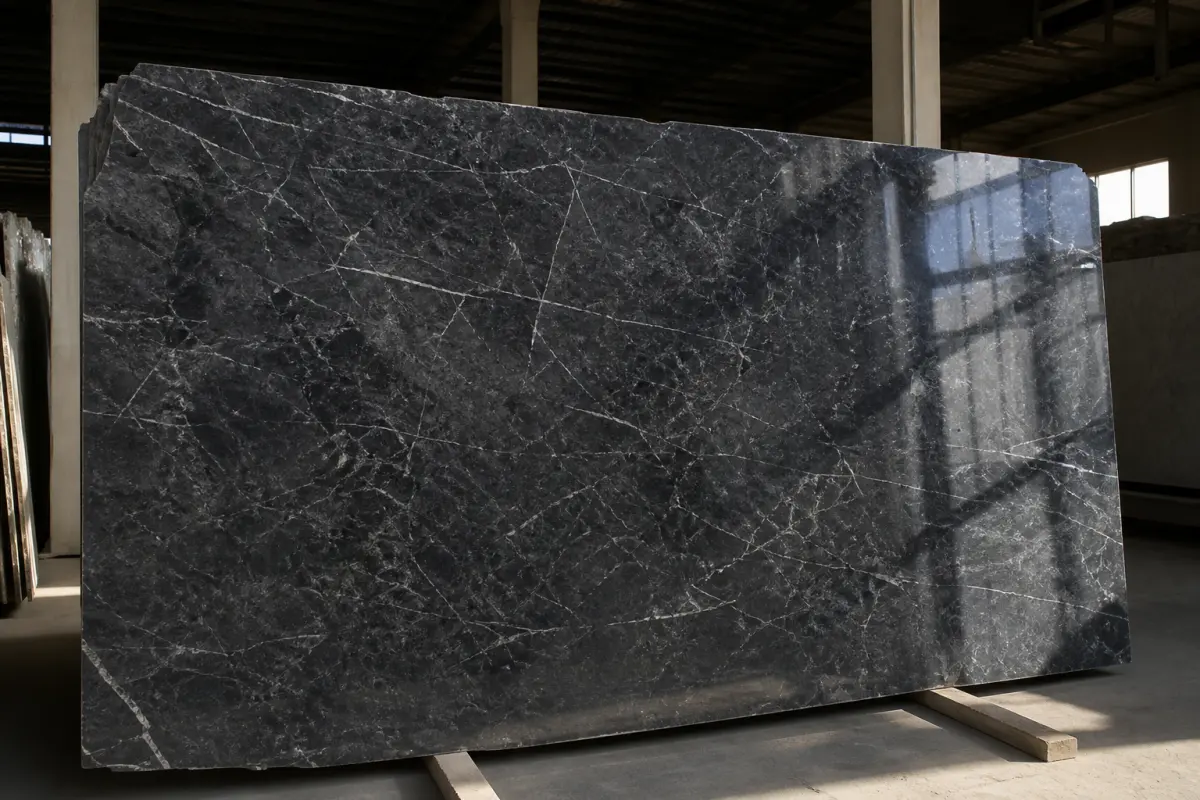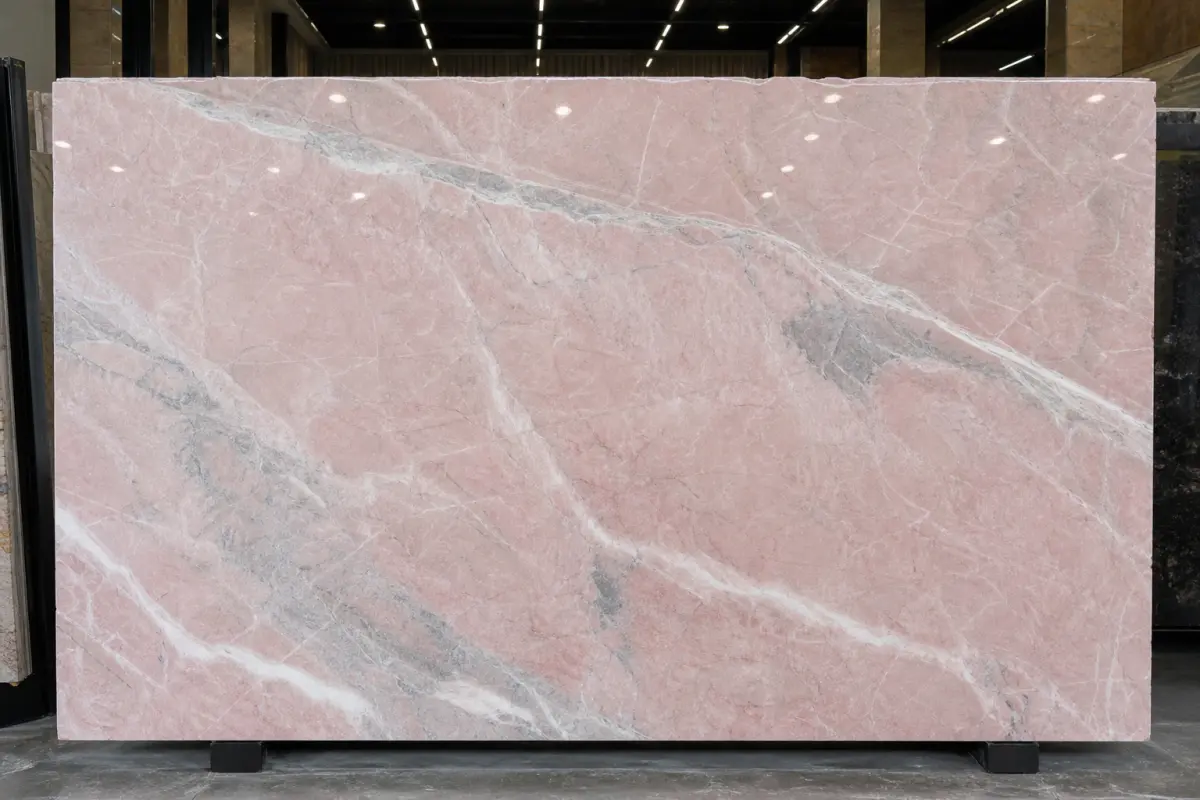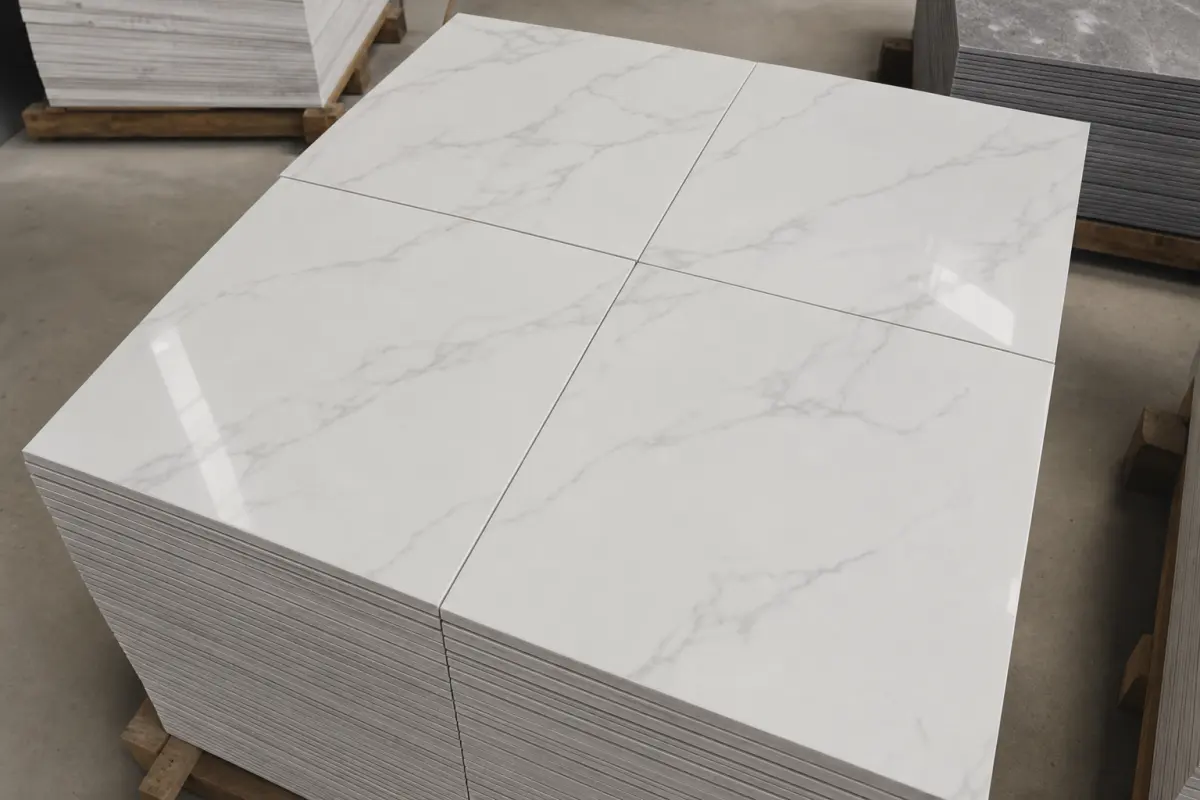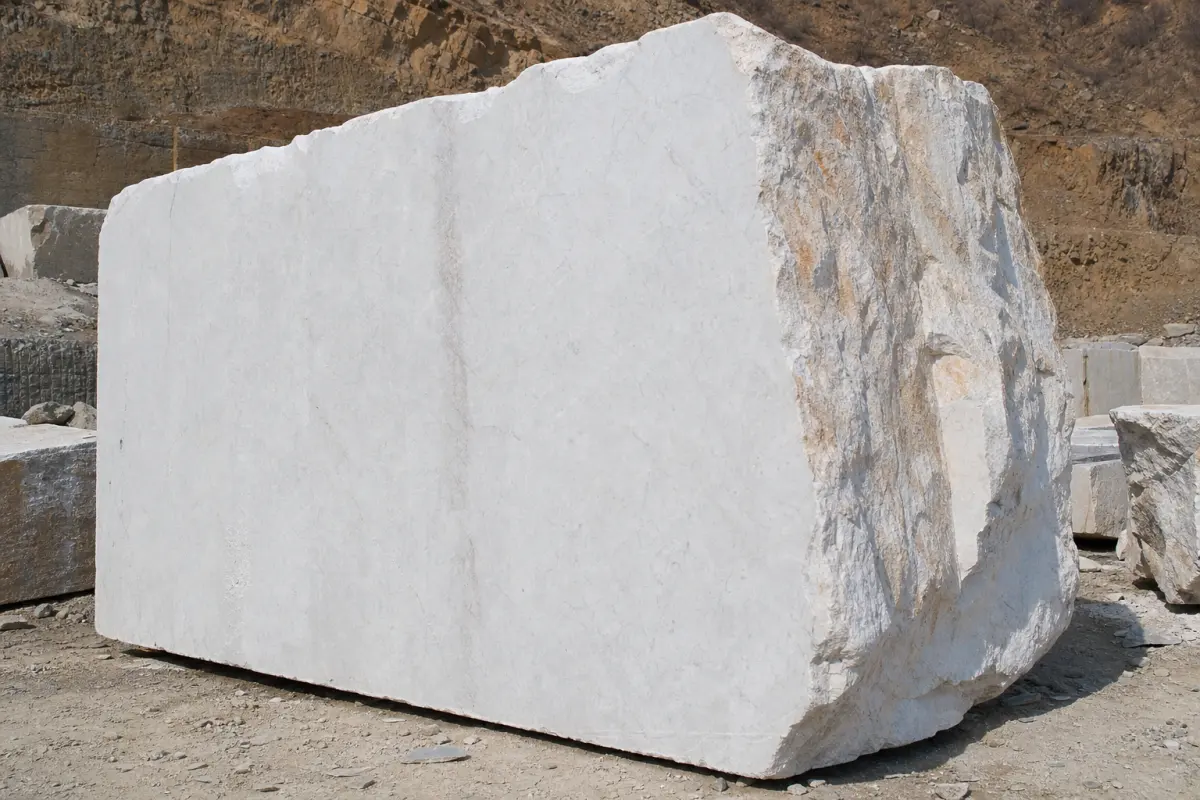
Searching buner marble supplier should mean a mill that can show a lease trail, a gangsaw in Torwarsak or Swari, and an FBR invoice—not a WhatsApp catalogue. This playbook shows how to hire one factory, run samples and RFQs, and keep the quarry trail from Bampokha to the crate.
Google “buner marble supplier” and you will get directories, WhatsApp landing pages, and last year’s trade-fair banners. None of that tells you how to hire one mill and keep the quarry trail attached to the invoice. This page is the playbook, not the cluster census. If you want the 2026 map of who sits where, use marble suppliers in Buner, quarry-direct factories. Here the job is narrower: pick one factory, test it, contract it, and stop losing the block mark between Bampokha and the crate. Factory-direct means lease trail plus gangsaw plus invoice—three papers, not a charming uncle in a Peshawar office.
Buner District in Malakand Division still concentrates the processing belt that association figures put near 500 mills out of about 700 in the division. Those numbers are planning estimates. They do tell you why a random mobile number can claim “we are Buner” and sound plausible. Your protection is a shortlist of sheds in Torwarsak or Swari that can show current stock, a tax registration that survived the end of the old PATA holiday, and a willingness to saw against a written RFQ. StoneVaults is built for that hire: listings, supplier profiles, no cart checkout. You are not buying a tile sample with a credit card. You are appointing a mill.
What a Buner marble supplier is—and is not
A Buner marble supplier worth hiring owns or controls saw time on a named line, can walk you from a painted block face to a polished bundle, and can issue an FBR invoice that your bank or your Pakistani contractor will recognise. They may also hold a lease or a long offtake with a Bampokha or Nanser face. They are not required to own the mountain. They are required to tell you who does. A Peshawar trader who subcontracts Torwarsak can still be useful; he is not factory-direct. Label him correctly so your cost model includes his margin on purpose.
The phrase also gets used for tile job shops in Maskini-side lanes, for block brokers who never polish, and for Karachi packers who photograph Buner stone on A-frames. All of those people have a role. Only the mill can answer “when will 2 cm of this lot be ready if PESCO sheds tonight.” If your project is a mosque dado in Riyadh or a hotel floor in Doha, that calendar question is the product. Charm is not. For the manufacturer-versus-trader argument in more detail, keep Buner manufacturers versus traders in the same tab as this playbook.
Lease plus gangsaw plus invoice: the three-paper test
Ask for three documents before you argue price. First, something that ties stone to a face: lease paper, sub-lease, or a block purchase invoice with quarry marks. Second, proof of the mill: a video pan of the gangsaw, gantry, and stockyard with a date, plus a union-council or road name in Torwarsak, Swari, or Elai. Third, NTN and sales-tax status. After the PATA goods-tax change, rock-bottom “no tax” quotes are often incomplete, not generous. Our Buner factory tax research is the longer note; the hire test is simply whether they can invoice like a business.
If any paper is missing, you can still buy—but you are buying a different risk. Missing lease trail means mixed origin. Missing mill video means you may be funding a trader’s WhatsApp. Missing tax paper means your LC or your local project accounts team will bounce the file. A Buner marble supplier who is tired of these questions is telling you they sell to people who never inspect. You are not that customer. Put the three papers in the RFQ checklist so the conversation starts as procurement, not as hospitality tea.
What “our factory” usually means on the phone
On a first call, “our factory” can mean a brother’s shed, a rented blade slot, or a mill the speaker visited once. Ask whose name is on the electricity bill and whose name is on the invoice. If they differ, write both names down. Joint families run honest mills in this belt. Split names are only a problem when nobody will say which name is liable for a cracked bundle. Liability is the point of factory-direct. Photos of a crane are not.
Shortlisting Torwarsak and Swari without walking every shed
You do not need to walk all 500-odd sheds. You need two or three that match the SKU. Start with the processing towns, not with Daggar hotels. Torwarsak and Swari are where gangsaw density is visible from the road; that is why buyers keep using those names. Use the existing Torwarsak–Swari factory map for geography, then shortlist on capability: Can they cut 3 cm for a lobby, or only 2 cm for domestic tiles? Do they resin and mesh, or is that a jobber down the lane? Do they pack for export, or do they send bundles to Karachi?
Look at current lots, not at a trophy slab from 2022. Ask for a yard video this week: stacks of raw blocks with painted numbers, a gangsaw in cut, a polish line, and a bundle with a tape on thickness. If the camera never leaves an office, keep walking. Profiles such as Zeex Naturals and AYAZ MARBLE are useful starting names on StoneVaults because they are findable. They still need lot photos. A verified badge is a door, not a shade-lot letter.
- Two mills in different pockets of the belt beat one “exclusive” relationship on a first programme.
- Match the line to the SKU: white volume, black vanity, onyx feature, or 60×60 tiles are different sheds more often than brochures admit.
- Reject any shortlist member who will not name processing town and extraction cluster on the same page.
- Keep one Karachi packer in the contacts list even when the mill is factory-direct; stuffing is a skill.
Daggar, Elai, and the quarry-side names you will hear
Daggar is the district headquarters, useful for banks, some offices, and as a meeting town. It is not automatically a factory. Elai sits in the same commercial conversation as the white families. Bampokha (Bampkha, Bumpukha, Pumpoo Khan, Pampu) is the quarry village behind much of the export white. Nanser is the black conversation. Chamla and Chagharzai feed whites and greys that get relabelled when someone is lazy. Your hire should be able to say which of those names is on the current lot. If they say “all of Buner stone is the same mountain,” they are selling a story to a tourist.
Quarry-side visits are possible but they are not the first day’s work. Faces still see blasting more often than wire saws; yield and fracture risk follow that choice. You can read the method note elsewhere on this site. For hiring, ask the mill which blocks in the yard are wire-sawn and which are blasted, and price them differently. A factory-direct relationship that pretends all blocks are equal will surprise you on the third container when resin use jumps and nobody warned the BOQ.
Sample, shade lot, and the first RFQ packet
The first RFQ should be boring. Name the commercial stone, thickness, finish, quantity, Incoterm, inspection window, and a reject photo. Attach a 30×30 request cut from the offered lot, not from a Mingora showroom tile. Ask for a lot code in marker on the back. When the mill sends WhatsApp images, download them into the StoneVaults RFQ so the thread outlives the phone. If you need the cluster-level supplier hunt for Bampokha names, jump to Bampokha marble suppliers after you have this packet written; do not hunt names before you can state spec.
Shade lots in Buner white are not a defect. They are geology plus gangsaw sequence. Sort in the shed: lot A for the lobby, lot B for back-of-house, reject yellow oxidation and open pits unless the spec allows filled stone. Photograph the stacks before polish if you are buying a large programme. Architects who freeze the lot after 200 m² is already on a truck are doing archaeology, not specification. A Buner marble supplier who resists lot letters is telling you they mix faces to keep the gangsaw busy. Sometimes that is fine for grey floor. It is not fine for a mosque mihrab wall.
What to put in the sample crate
Send back, or keep, a sample crate that includes: polished 2 cm, honed 2 cm if the wet area needs it, one mesh-backed piece, and one tile if the mill also runs 60×60 Buner white tiles. Calibre on tiles and shade on slabs often drift even when both say Buner white. If the project uses both, the same mill should sort them from one family of blocks or you should accept a designed contrast. Write that decision down. Site teams will not remember a voice note from the mill manager’s cousin.
Thickness, mesh, resin, and the spec that stops arguments
2 cm is the export default for many wall and floor packages; 3 cm shows up on lobbies, counters, and anywhere an architect is scared of lippage. Mesh on the back is cheap insurance on softer whites. Resin filling is a finish choice and a structural one: pinholes that look romantic on a phone photo become dirt traps in a hotel corridor. State allowed fill, colour of fill, and whether epoxy is visible at 1 metre. Mills in Torwarsak understand those sentences. They do not understand “natural look, high quality.”
Tolerance belongs in millimetres. If you need ±1 mm on thickness, say so and expect more waste. If you can live with ±2 mm, say so and expect a better yield price. Edge treatment on tiles (bevel or not, rectified or not) is a different sentence from slab edge. Do not let one “white marble, polished” line cover slabs and tiles. Factory-direct only saves money when the mill is pricing the thing you will actually install. Otherwise you are just a faster way to buy the wrong SKU.
Factory visit, video walk-through, and third-party inspection
If you can go, go. Start at the stockyard, not at the office sofa. Ask to see the block that will be sawn for you, the blade hours on the frame if they will share them, and the polish heads. Take a photo of the electricity meter area if only to remember that PESCO is part of the schedule; the longer story is in Buner load shedding and marble factories. If you cannot go, pay someone who already walks this belt. A video pan from block mark to bundle, with a tape and a date, is the minimum. Upload it to the RFQ.
Third-party inspection before trucking to Karachi is cheaper than a claim after stuffing. Agree the reject rules in advance: thickness, shade, cracks, resin clouds, mesh coverage. Inspectors who arrive with “make it nice” instructions will pass everything. Inspectors who arrive with your RFQ will fail the right bundles. Factory-direct does not mean you skip inspection. It means you inspect the mill you paid, not a mystery packer’s leftover.
Payment, tax, and load-shedding calendars
A hire that survives first orders uses milestones: deposit to put selected blocks on the saw, a second payment against bundle photos and thickness checks, balance against packing list. 30 / 40 / 30 is understood. 100% advance to a new number is how scams eat importers; keep the KP supplier vetting checklist next to the payment schedule. StoneVaults still sends you off-platform to pay—this is RFQ, not a cart—but you are paying a named mill against a named spec. That file is the point.
Build calendar fat in summer. Night shifts happen because feeders die. A mill that promises fourteen days on 1,200 m² in June without mentioning a generator is hoping. Ask. If they run diesel, it will be in the price whether you see it or not. Tax: assume sales tax unless they show you why not, in writing, for your transaction type. Domestic KP projects and export documents do not treat that sentence the same way. Your accountant should see the draft invoice before the stone moves.
- Never let the deposit mill and the invoice mill be two surprises; if two names exist, write both into the PO.
- Hold a retention or a final tranche until packing photos match the inspected bundles.
- Record seal numbers and crate marks; second containers live or die on that memory.
When to stay factory-direct and when a Karachi packer still helps
Stay mill-direct when the SKU is one family (Bampokha white slabs, or one tile calibre), the quantity fills a programme, and you have a forwarder. Use a Karachi packer when you are mixing onyx, black, and white; when phytosanitary crate rules are strict; or when the mill’s idea of an A-frame is two planks and a prayer. Factory-direct is about who saws and who invoices the stone. It is not a religion against port skills. FOB Karachi can still sit on top of a Torwarsak mill if the contract says who packs.
Ex-factory Swari with your own trucks is clean for Peshawar and Mardan jobs. Export buyers who copy that structure and then argue about Port Qasim stuffing have mixed two contracts. Write one or the other. If the mill quotes both, make them two lines. A Buner marble supplier who can split those lines without getting offended is a mill you can repeat.
Hiring one mill on StoneVaults without losing the quarry trail
Open Pakistan listings, filter Buner origin and the form you need (block, slab, tile), and shortlist two mills. Read the supplier profile, not only the hero photo. File one RFQ from contact or the listing CTA with the three-paper ask, the spec, and the Incoterm. Compare replies on lot photos and calendar, not on who used “premium.” Freeze the lot. Inspect. Pay on milestones. Keep the quarry name, the mill town, and the crate mark in the same thread. That is factory-direct as a method.
The search phrase buner marble supplier should stop meaning “someone in a group chat with white photos.” It should mean a mill you can find on a road in Torwarsak or Swari, a block you can name, and an invoice you can show a bank. Use the cluster census posts for who exists. Use this playbook for how you hire one of them. Then stay with that mill through a second container before you fall in love with a cheaper WhatsApp. Consistency of shade is a relationship. The marketplace is how you start it without losing the trail in the first week.