Marble flooring in Pakistan in 2026 still pits Buner white and grey against imported Turkish and Italian stone on landed cost and maintenance. Compare local Buner stone performance, shade stability, and logistics for towers, mosques, and homes.
Marble flooring in Pakistan is a default luxury finish—from Gulf-return villa builds in Lahore to mosque courtyards in Peshawar and mall atriums in Karachi. The specification fight is rarely “marble or not”; it is local Malakand belt stone versus imported Turkish beige or Italian white on landed cost, shade, and maintenance. In 2026, tax-normalized KPK factory invoices and volatile import freight keep that debate alive for quantity surveyors and architects.
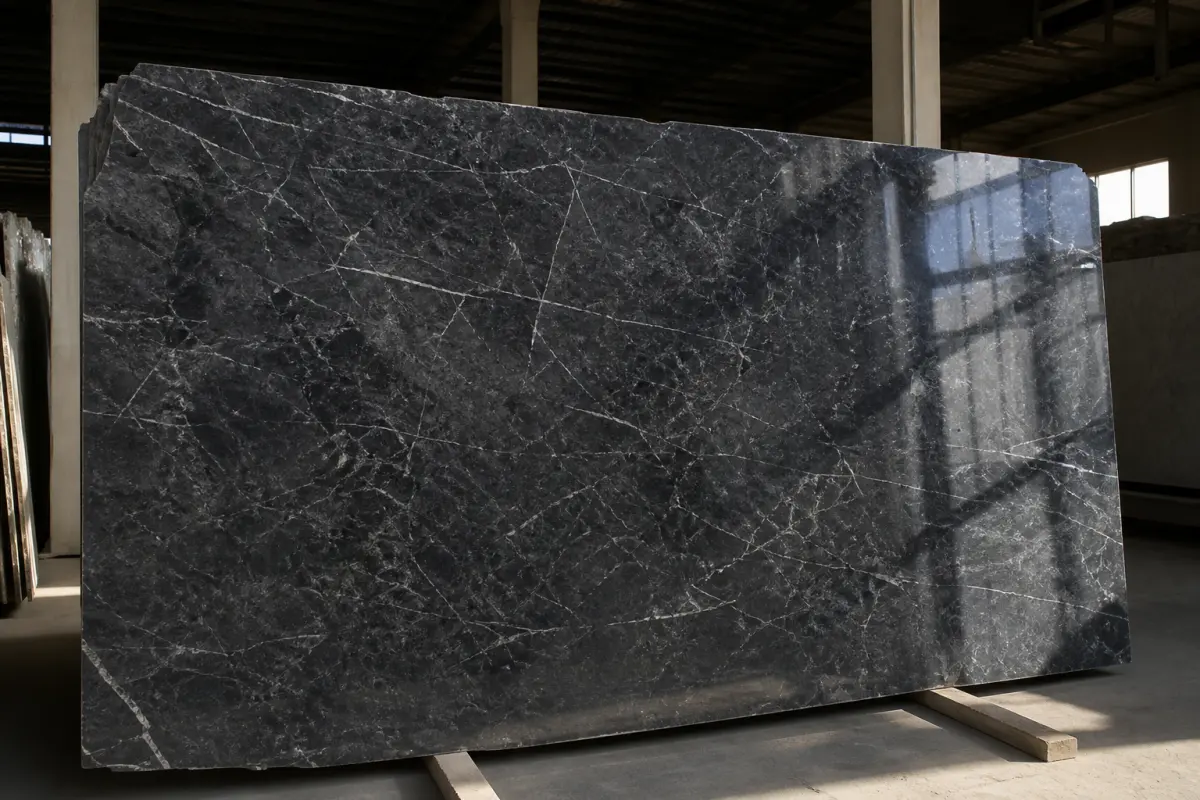
Local Buner and Swat supply is not one product: Badal grey corridors, Bampokha and Super White lobbies, and tile formats from the same quarries compete with different wear and cleaning profiles. This guide compares Buner local vs imported flooring choices without fake rupee-per-foot lists—use ranges from marble price Pakistan 2026 and grade guides instead.
Local Buner marble for flooring: strengths and limits
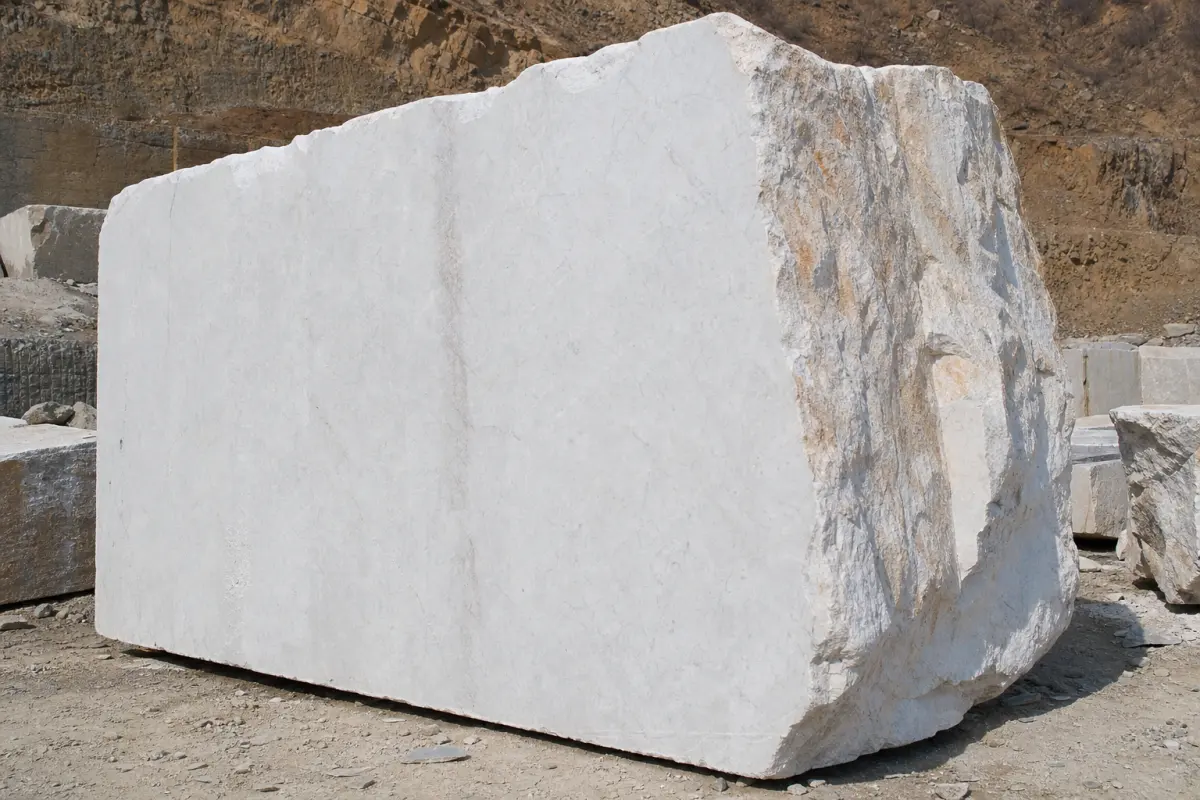
Calcite marbles from Buner polish brightly and cost less than equivalent imported square metres when bought factory-direct. Badal grey covers large areas economically; Bampokha No.1 and Super White serve lobbies where brightness matters. Domestic trucking from Torwarsak to Punjab and Sindh avoids ocean freight—lead times can beat import if slabs are in stock.
Limits are geological and chemical: acid sensitivity, softer than granite, needs sealing in wet areas. Shade variation across bundles requires site blending discipline. Power and tax affect factory delivery dates—load shedding and tax research.
Imported marble flooring: when it still wins
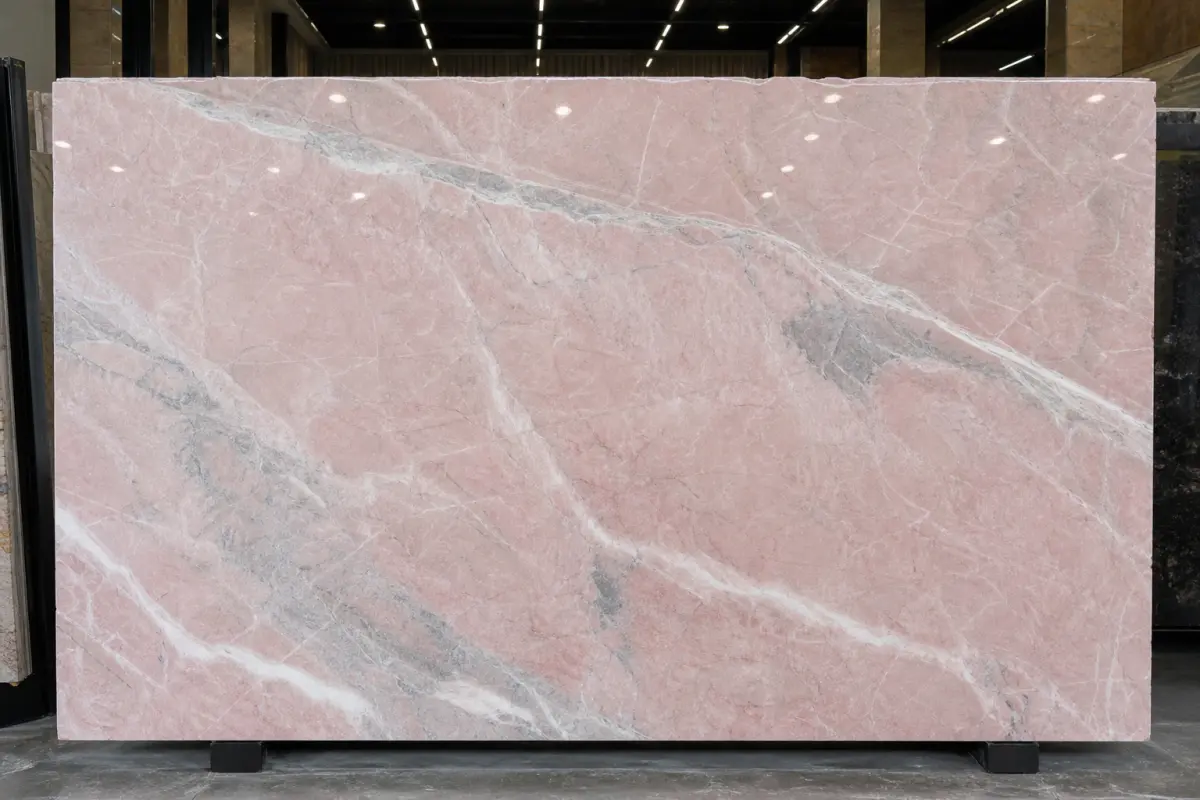
Owner specs naming Italian origin, hotel brand manuals, or distinctive Turkish vein patterns still force import despite higher landed stacks. Carrara-type comparisons are in Super White vs Carrara. Import wins on narrative and sometimes on pre-sorted bundle marks; local wins on budget and timeline when samples approve Buner alternatives.
Hybrid programmes—import in signature spaces, Buner white or grey in back-of-house—are common in hospitality; see hotel and commercial supply.
Slab versus tile for floor programmes
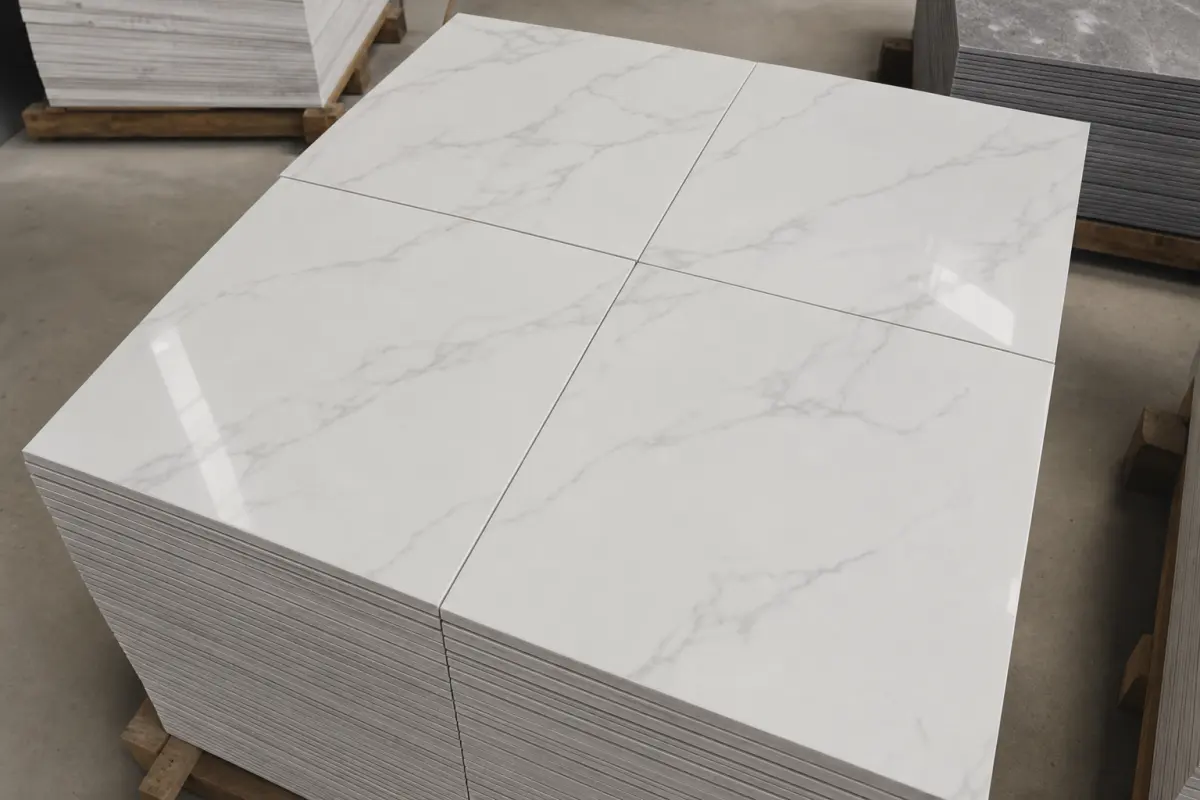
Large-format slab floors show fewer joints; tiles (60×60 Buner tiles) simplify replacement and suit repeat grid BOQs. Quote comparison in slabs vs tiles vs blocks. Tile calibre and lippage control matter more than brand name on imported versus local.
- Define traffic level and maintenance plan before colour selection.
- Request slip rating for wet areas; honed local grey may beat polished import in bathrooms.
- Align grout colour with vein tolerance on local stone.
- Budget waste factor higher on diagonal installs.
- RFQ with square metres and thickness, not room names only.
Price and value engineering without cheapening the scheme
Grey local marble often saves enough budget to upgrade lobby to Super White rather than import entire tower. Understand Badal drivers in Badal grey specs and price. Wholesale container buys drop per-metre cost—MOQ and Incoterms.
Architects should run parallel samples under project lighting; use RFQ spec template online. Source from StoneVaults and suppliers like Zeex Naturals with declared grade.
Decision summary
Choose local Buner flooring when samples pass, timelines are tight, and maintenance is honest. Choose import when brand or unique geology is non-negotiable. Most Pakistan projects in 2026 mix intelligently—local stone done well beats imported stone specified poorly.
Maintenance and owner manuals for calcite marble floors
Building owners need cleaning chemistry guidance—acidic bathroom cleaners destroy polished local white over time. Entry matting reduces sand abrasion in Peshawar and Quetta climate dust. Reseal schedules for lobby high-traffic zones should be in O and M manual whether stone is local or imported. Honed local grey often hides micro-scratches better than mirror polish import in mall corridors.
Underfloor heating compatibility: confirm with supplier and fixer; thermal cycling stresses calcite joints. Outdoor marble in Pakistan climate is a design choice with known weathering—granite from Dir may replace marble on external steps while Buner white stays interior.
Procurement teams should attach maintenance appendix to every stone submittal approved on StoneVaults—reduces owner blame on factory when chemistry was never specified. Link quarry-direct sourcing when repeat replenishment for damaged tiles is likely years after opening.
Sound and acoustic underlayment under marble tile in high-rise residential is separate from stone RFQ but affects total floor build-up—coordinate thickness with supplier tile calibre. Radiant heat projects in northern Pakistan ski-resort hospitality should test local white marble samples for thermal cycling before bulk order.
Developer marketing brochures often show import names while value-engineered local stone installs on site—align legal advertising with submittal records. Buner grey and white combinations photograph well for pre-sales; lock same grades for construction phase via grade language.
Homeowner villa flooring in DHA Lahore or Bahria often uses local marble with imported only in TV wall feature—total cost sits between full import and full local; RFQ both zones. Apartment towers with repetitive floor plates benefit from tile MOQ economics on Buner white tile rather than slab in every unit bathroom.
Islamic finance projects may require sharia-compliant payment structures—milestone-based supplier payment aligns better than interest-bearing overdrafts tied to speculative stone speculation. Document ownership transfer at each milestone in export and domestic deals alike.
Flooring mock-up rooms in sales centres should use production-grade sealer and grout colour—buyers reject installed floor when mock-up used different chemistry. Local Buner samples age more honestly in Pakistan climate tests than import samples flown in once.
Joint patterns and diagonal installs increase waste—state pattern in RFQ so factory and fixer quotes include same waste factor.