Trade directories list hundreds of Buner marble factories with a phone number and nothing else. This guide shows what serious buyers need beyond thin listings—location, saw type, tax status, and live inventory—and how to RFQ on StoneVaults instead.
Search for a Buner marble factory directory and you will find pages of names: “Al-Noor Marble,” “Pak White Industries,” a mobile number, sometimes a Gmail address. That was useful in 2010. In 2026, export buyers need more than a phone book— they need to know whether the unit runs a gangsaw or only resells blocks, whether it can issue FBR-compliant invoices after the PATA tax transition, and whether the photo on their Facebook page is their own slab or a Carrara stock image. Thin listings hide those differences. This guide is the filter directories do not provide.
Directories rarely distinguish Torwarsak processors from Mingora traders, Swari polish jobbers from quarry lease holders, or factories that shut during load shedding from units on dedicated feeders. They do not tag extraction method—wire-sawn versus blasted blocks—a spec that changes yield and crack risk as explained in our quarry tools research. Buyers who call the first three numbers on a PDF often overpay a middleman while a factory two kilometres away sits idle for lack of export leads.
What a serious factory listing should include
Treat the following as minimum viable data—not luxury marketing.
- Union council / industrial strip: Torwarsak, Swari, Elai, Kabal approach—not only “Buner.”
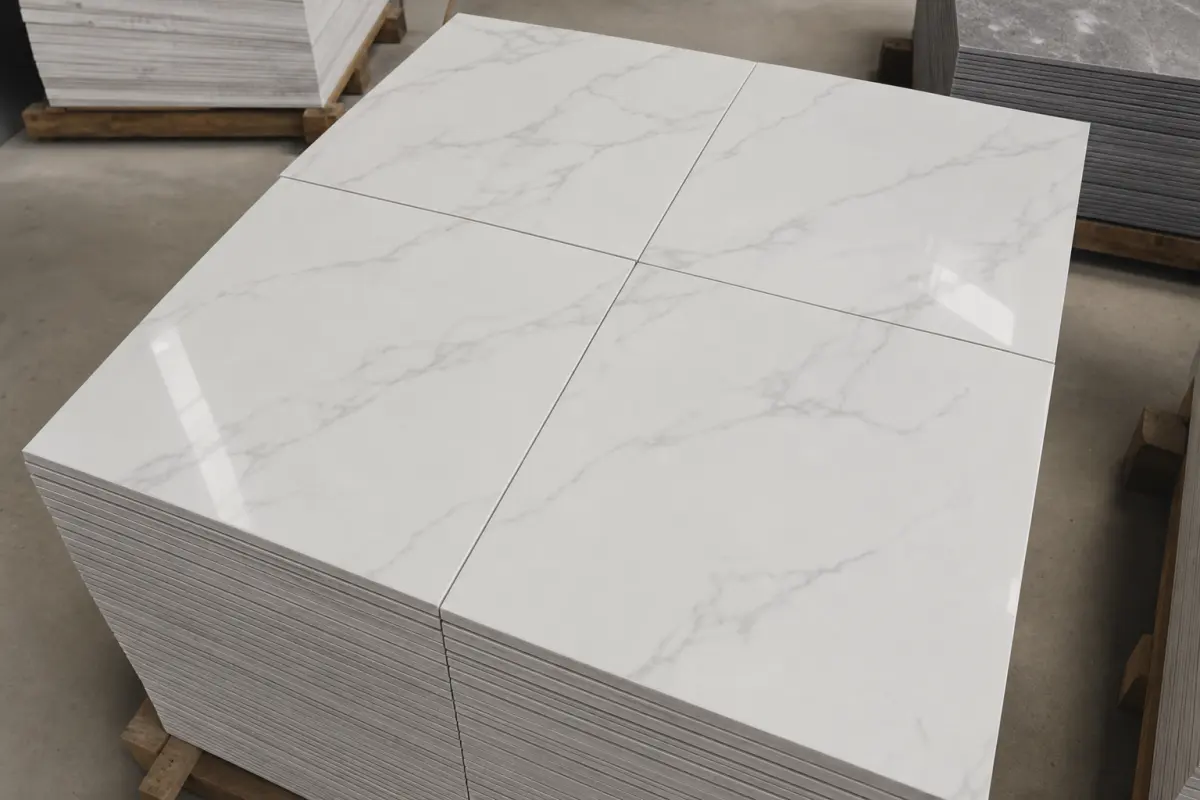
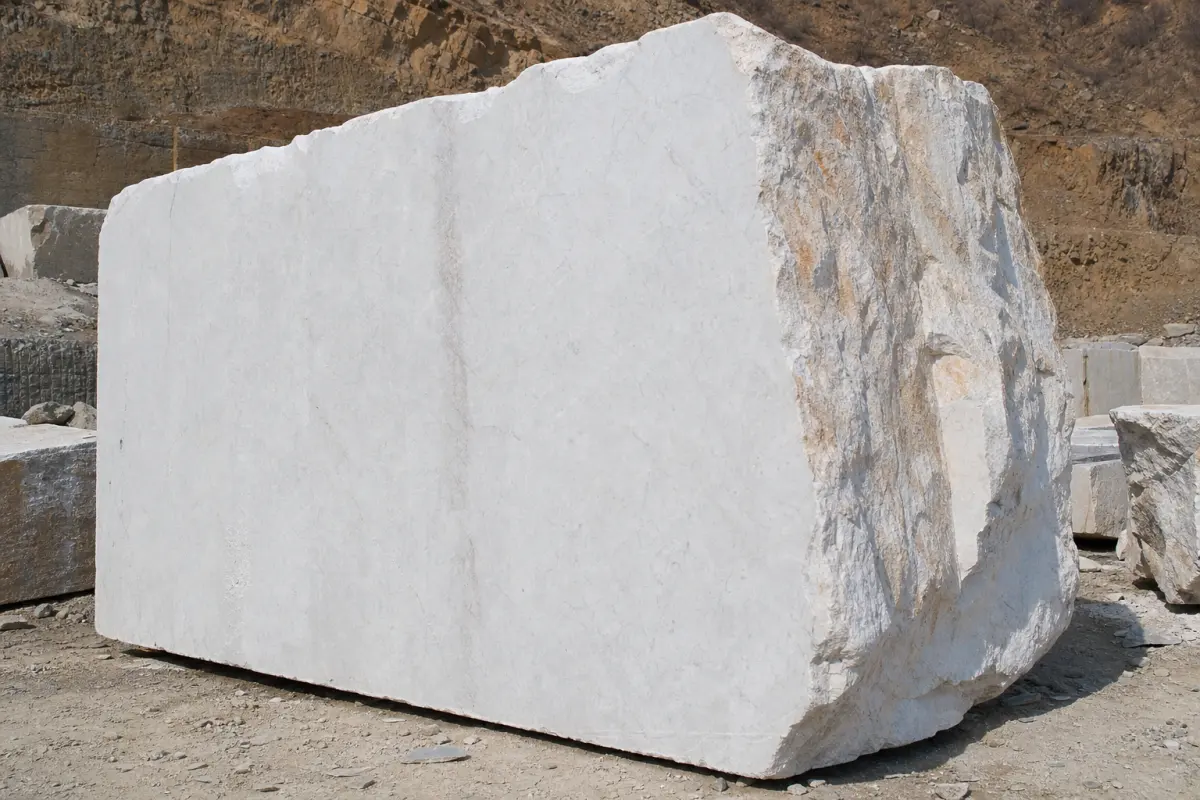
- Product scope: Raw block, gang-sawn slab, polished slab, tiles, cut-to-size.
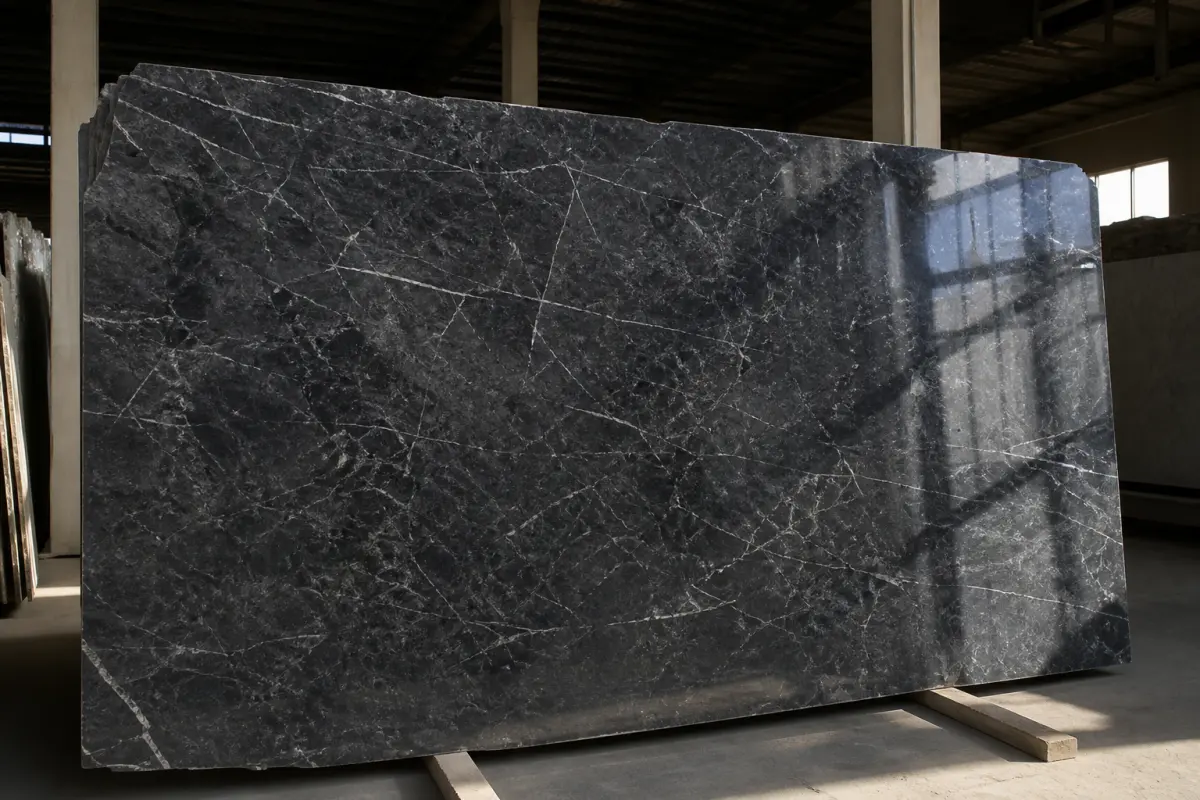
- Commercial names: Bampokha, Super White, Badal grey, Nanser black—with grade language defined.
- Tax registration status and willingness to issue documented invoices.
- Power situation: Approximate productive hours; see load shedding research.
- Export experience: Packing standard, ports used, reference photos with bundle IDs.
StoneVaults listings attach SKUs like Bampokha raw blocks and polished whites to suppliers who publish specs—closer to a product catalogue than a yellow-pages line.
Red flags in directory-only sourcing
One mobile number serving ten “factory names” usually indicates a broker, not ten sheds. Refusal to show video from the gangsaw floor after a deposit request is a stop signal. Quotes far below market without thickness and finish defined often mean commercial grade labelled No.1—or material that never existed. Our buyer protection guide expands these patterns.
Directories also freeze time. Factories close; ownership changes; units that exported in 2018 may be dark in 2026. Live marketplace inventory and dated photos beat static PDFs. Cross-read the 2026 Buner supplier guide and product deep-dives such as Bampokha grades when building a shortlist.
How to build a shortlist without a phone-book marathon
Start from material spec, not from alphabetised factory names. If you need 2 cm polished Bampokha No.1 for a Riyadh hotel, filter suppliers who publish that SKU or equivalent. Publish an RFQ with quantity, port, and shade tolerance on the marketplace; let factories bid with bundle photos. Visit one or two finalists—not twenty—using video audit before flying to Pakistan.
Directories still help as discovery seeds: write down names, then verify each against platform listings, tax IDs, and third-party references. The goal is not the longest contact list in Malakand Division; it is three credible mill relationships that survive repeat containers. Thin listings were the old trade; structured data is how Buner marble factories reach buyers who pay on documentation, not on hope.
What StoneVaults adds that directories omit
Marketplace listings tie a supplier to SKUs, thickness, finish, and RFQ history—data layers a PDF directory cannot hold. When a buyer publishes quantity and port, factories compete on spec rather than on who answered the phone first. That shifts power toward mills that actually run blades instead of toward brokers with SEO skills. Use directories to harvest names, then move verification to the platform and to video audit.
Visiting Buner: turning listings into relationships
If you fly to Pakistan, spend one day in Torwarsak watching gangsaws and one in Mingora comparing traders—do not try fifty sheds from a phone list. Pre-book three factories that answered your RFQ with bundle photos and tax IDs. Bring your sample board; walk their stock yard; ask which blocks are wire-sawn. The trip confirms what thin listings hide: capacity, cleanliness, and whether the owner is building export grade or only domestic kanda.
Association lists versus verified commerce
Malakand Marble Association rosters help confirm a unit exists politically—they do not certify export quality. Cross association names with FBR registration lookups where possible and with live SKU photos on StoneVaults. Associations also mobilize on power tariffs; a factory active in association politics may still have dark sheds on off-days. Lists are starting points; commerce is proof.
Export documentation training gap
Many capable gangsaw owners never learned fumigation rules or HS code nuances because they sold domestically for decades. Thin directories hide that training gap. When you RFQ export, you filter for factories already shipping FOB— they answer with packing photos and forwarder names. Others will learn on your container if you teach them—price that education into first-order patience or choose a more export-ready mill.
Machine inventory beyond the gangsaw
Directory lines never state whether a “factory” owns a bridge saw, resin line, or only a gantry crane and trading desk. Tile programmes need bridge saws and calibre checking; block exporters need wire saws or trusted quarry partners. Ask for equipment list on RFQ. A name on a PDF without a gangsaw is a broker whether it calls itself industry or trading company.
StoneVaults RFQs attach machine and product answers to the same thread—so you never lose the spec between WhatsApp chats and email forwards. That is the modern replacement for a static factory PDF.