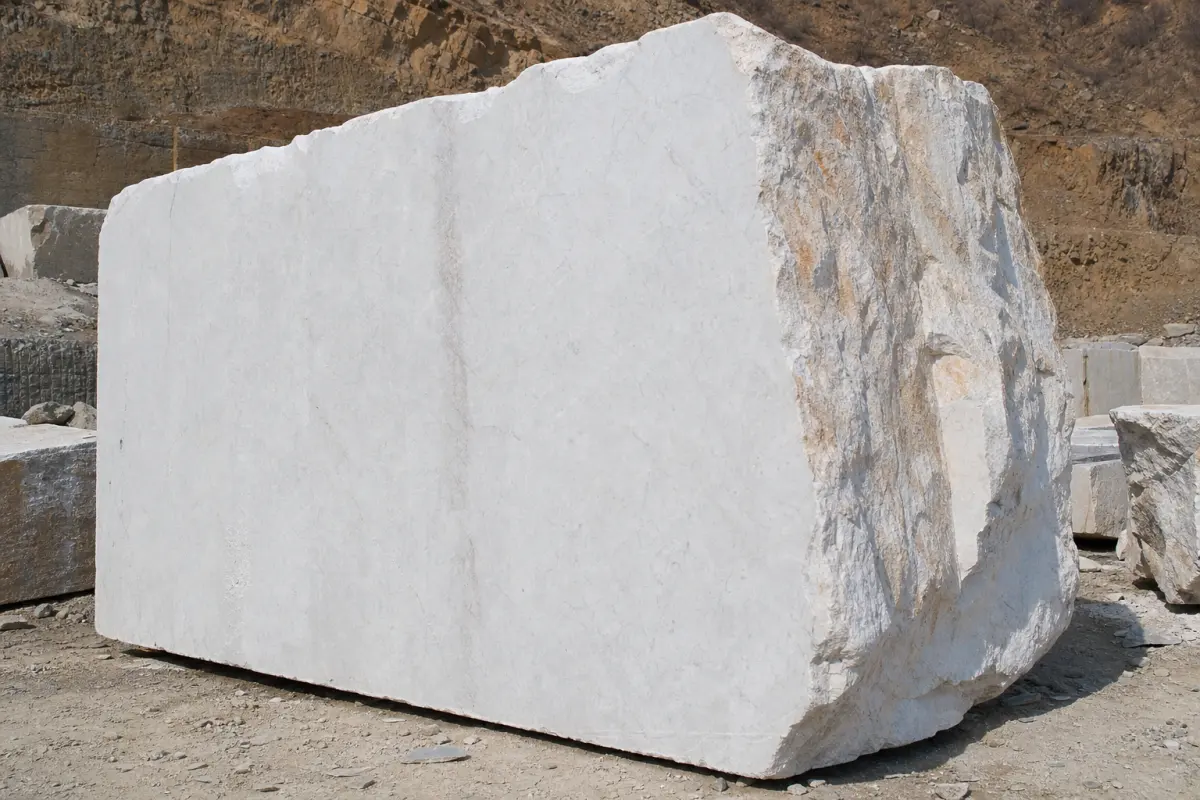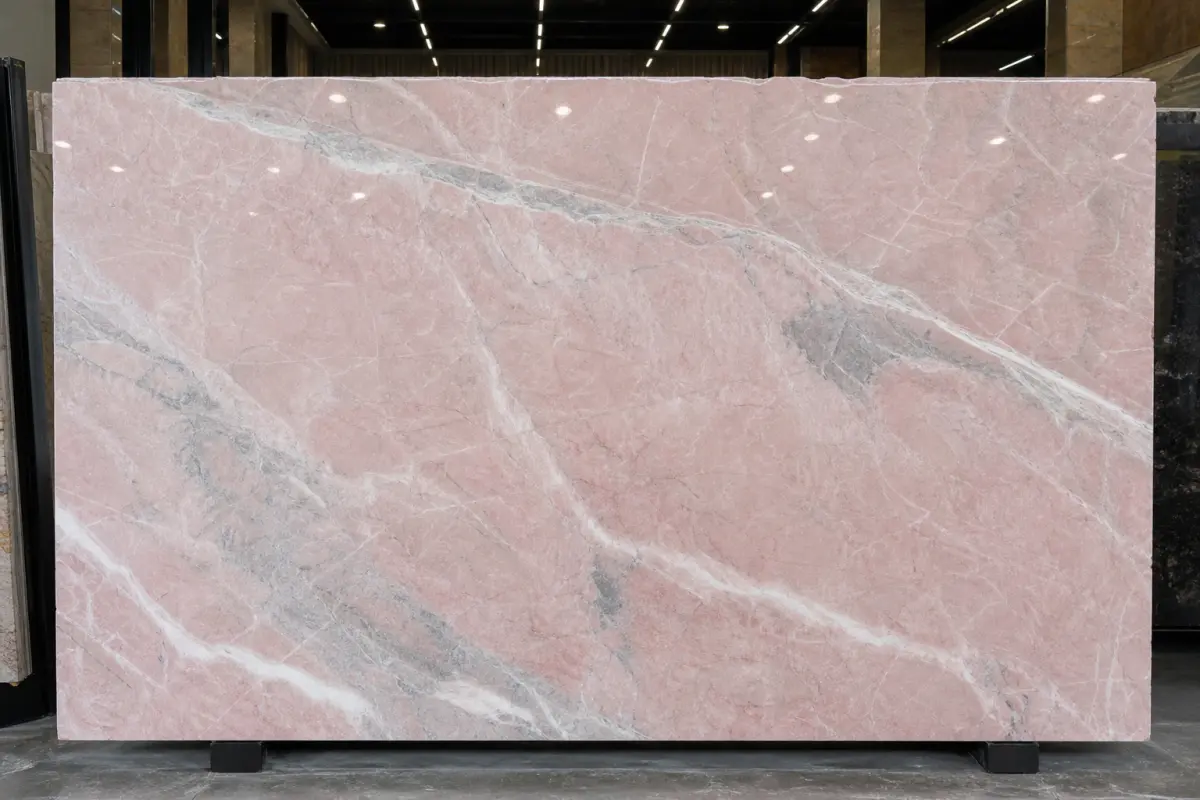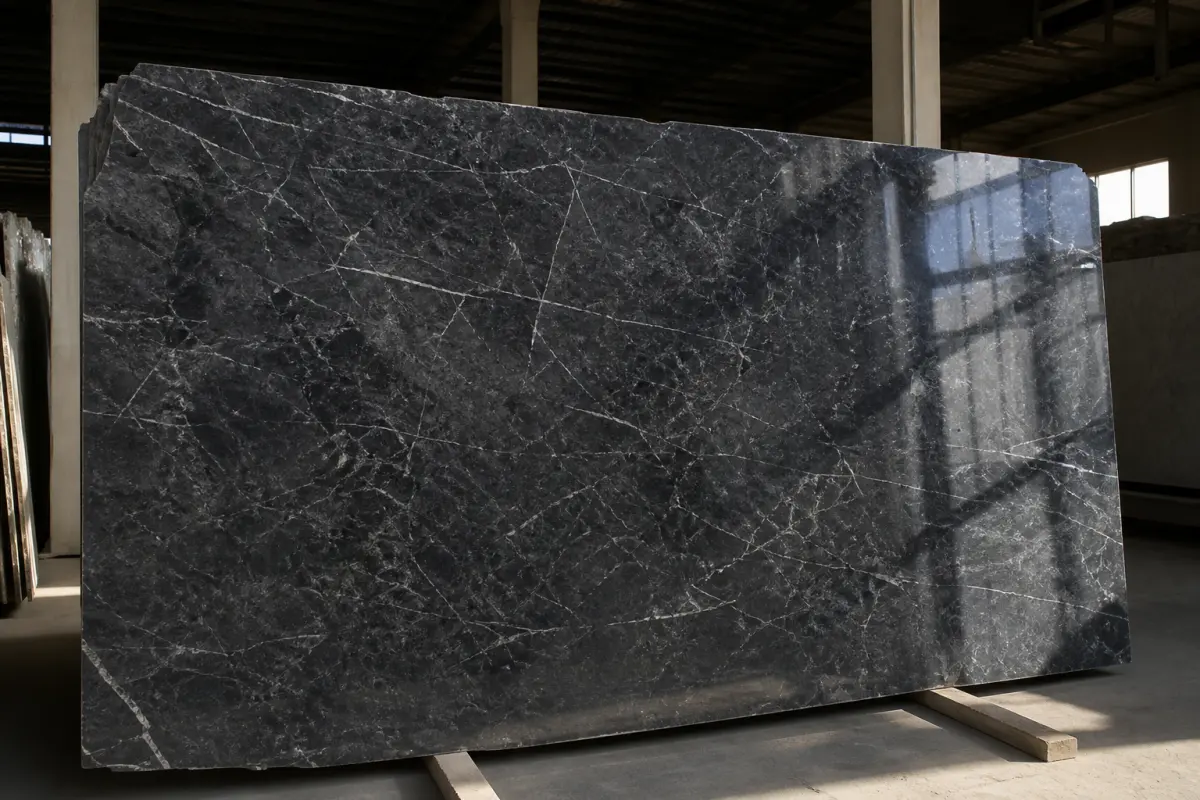
Malakand marble reaches export buyers through a long overland leg to Karachi. This buyer guide explains trucking, breakage risk, packing, dry ports, and how to quote incoterms so Buner and Swat suppliers do not surprise you at vessel cut-off.
Every export container of Buner or Swat marble tells the same hidden story: hundreds of kilometres by truck before the stone ever sees a ship. Buyers who negotiate slab price but ignore the quarry-to-Karachi leg learn the hard way—broken corners, delayed vessels, and invoices that did not include stuffing, weighbridge, or port congestion fees. This guide walks the route Malakand stone actually takes and the questions that keep logistics from eating your margin.
Factory gates sit in Torwarsak, Swari, Mingora’s orbit, or estates toward Risalpur. Nothing in KP is a seaport. Export therefore means overland haul to Karachi (occasionally Gwadar in strategic talk, rarely in daily marble practice), forwarder coordination, and customs processes tuned to HS codes for marble blocks and slabs. Your supplier’s ex-mill quote is only the first line item.
Typical routing and timing
Blocks and crated slabs load onto flatbeds or enclosed trucks depending on pack quality. Common paths run south through KPK into Punjab—Mardan, Peshawar ring, Hasan Abdal or M-1/M-2 motorways—then toward Karachi on the national highway network. Summer heat and monsoon rain affect transit times and tarps. A well-packed A-frame bundle survives better than loose slabs on open beds; insist on export-grade crating for CIF programmes.
Transit often takes several days, not “tomorrow.” Factory power cuts can delay polish completion before the truck even books. Align production milestones with vessel schedules; our electricity note explains why northern mills miss promised dates in peak load-shedding months.
Packing, weight, and breakage
Marble logistics fail on physics: weight per slab, centre of gravity on the truck, and road vibration. Mesh-backed slabs need upright racks. Blocks need chain and chock discipline. Insurance and claims culture in Pakistan trucking is weak compared with European haulage—pre-shipment photos and seal numbers matter.
- Confirm crate construction (wood species, fumigation for ISPM-15 markets).
- Photograph bundle IDs at factory gate and at Karachi stuff point.
- Split liability in contract: factory to trucking yard vs yard to port.
- For feature blacks and brittle onyx, upgrade pack spec—do not reuse white-marble crating habits.
Karachi port, dry ports, and forwarders
Most ocean export exits through Karachi Port or Port Qasim with forwarders who consolidate LCL and FCL. Some northern suppliers stuff at Karachi dry-port facilities or forwarder warehouses rather than driving straight to berth. Azakhel dry port near Peshawar matters for tracked machinery imports under FBR rules—not usually for finished slab export, but your supplier’s compliance story may reference it from capex cycles.
Karachi-based exporters exist precisely because they sit on the port node—see our comparison of local KP suppliers versus Karachi exporters. That does not make them quarry-direct; it makes them logistically convenient. Importers choosing ex-mill Buner pricing should budget Karachi-side services explicitly: stuffing, terminal handling, customs agent, and ocean freight.
Incoterms buyers should use
FOB Karachi suits buyers with their own freight contracts. CIF suits buyers who want one throat to choke but must audit supplier forwarder choice. EXW Torwarsak suits regional Pakistani buyers, not Dubai developers unless they operate their own north–south fleet. Never leave “port not specified” on a PI—Karachi has multiple handling points and cost bands.
Structured RFQs on the StoneVaults marketplace let you attach destination port and incoterm so bids include logistics honestly. Browse natural stone categories with the same discipline. Malakand marble is competitive when price and logistics are one conversation from quarry face to vessel—not two surprises separated by a WhatsApp voice note.
Cost lines importers forget
Weighbridge fees, overnight driver payments, and Karachi warehouse rent during port congestion stack on top of slab FOB. Customs examination on mis-declared HS lines delays sailing. Buyers who treat logistics as “supplier problem” still pay in late opening dates. Build a landed-cost model with your forwarder before you celebrate a low ex-mill rupee quote from Torwarsak.
Seasonal and security factors on northern routes
Winter fog on motorways and spring landslides on hill approaches can delay trucks regardless of factory readiness. Security checkpoints add time but also document chain-of-custody if you track gate photos. Ramadan and Eid holidays slow stuffing schedules in Karachi; plan vessel bookings with calendar buffers. Swat and Buner suppliers who export regularly maintain forwarder relationships that survive these seasons—one-container buyers feel pain first.
Working with your own freight forwarder
Sophisticated importers nominate forwarders while factories produce. That split keeps the mill focused on thickness and shade while your agent handles terminal handling charges and bill of lading clauses. Share factory gate photos with the forwarder so damage claims start with evidence. If the supplier insists on a unknown forwarder, ask why—sometimes it is convenience, sometimes it is margin on hidden logistics markup.
Insurance and claims reality
All-risk cargo insurance from factory gate to port is not automatic on ex-mill quotes. Ask whether the supplier or your forwarder covers in-transit breakage. Pakistani trucking insurance culture is thin; photos and sealed crate counts are your first line of defense. For high-value onyx and premium whites, explicit insurance line items beat arguing after a corner chip at Karachi unload.
Domestic buyers on the same roads
Lahore and Islamabad contractors sourcing Buner stone still ride the same northern highways—just without the ocean leg. They face identical breakage and delay risks on open trucks. Even regional buyers should specify crating when slabs exceed budget tile economics; the logistics lesson from export applies anywhere Malakand stone travels more than fifty kilometres on potholed roads.