A Pakistan marble exporter in KPK is not always the mill that sawed your Bampokha slabs. This identity guide separates factory-exporters, Karachi consolidators, and brokers—and shows which documents, packing lists, and vessel bookings each one actually controls.
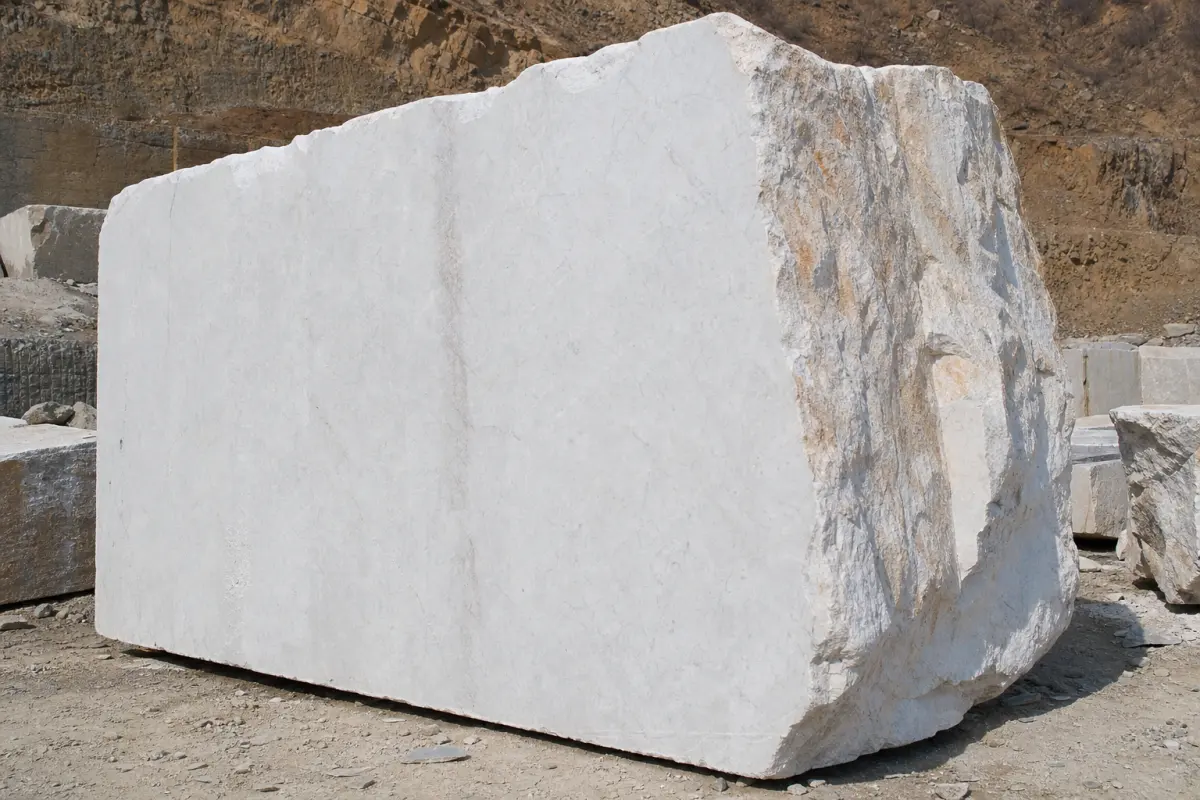
Search Pakistan marble exporter and you will meet three businesses wearing one label. One owns a gangsaw in Torwarsak and an NTN that matches the invoice. One owns a Karachi office, a stuffing yard, and a relationship with three Buner mills. One owns a laptop and a catalogue. All three will say they export KPK stone. Only one of them can tell you, on a Tuesday afternoon, which block of Bampokha raw marble is on the saw and whose name will appear as shipper on the bill of lading. This article is an identity guide. The document checklist lives in our export documents and ports note. Here the question is who the marble exporters Pakistan conversation is actually about when the stone comes from Khyber Pakhtunkhwa.
Importers lose containers on identity, not on polish. A factory that cannot export still produces beautiful slabs. A Karachi consolidator who never saw the face can still stuff a legal container. A broker can still introduce you to both. Trouble starts when you think you bought factory-direct and the exporter of record is a third company whose packing list does not match the mill video. Write the roles down before you wire a deposit.
Three roles that hide inside “KPK marble exporter”
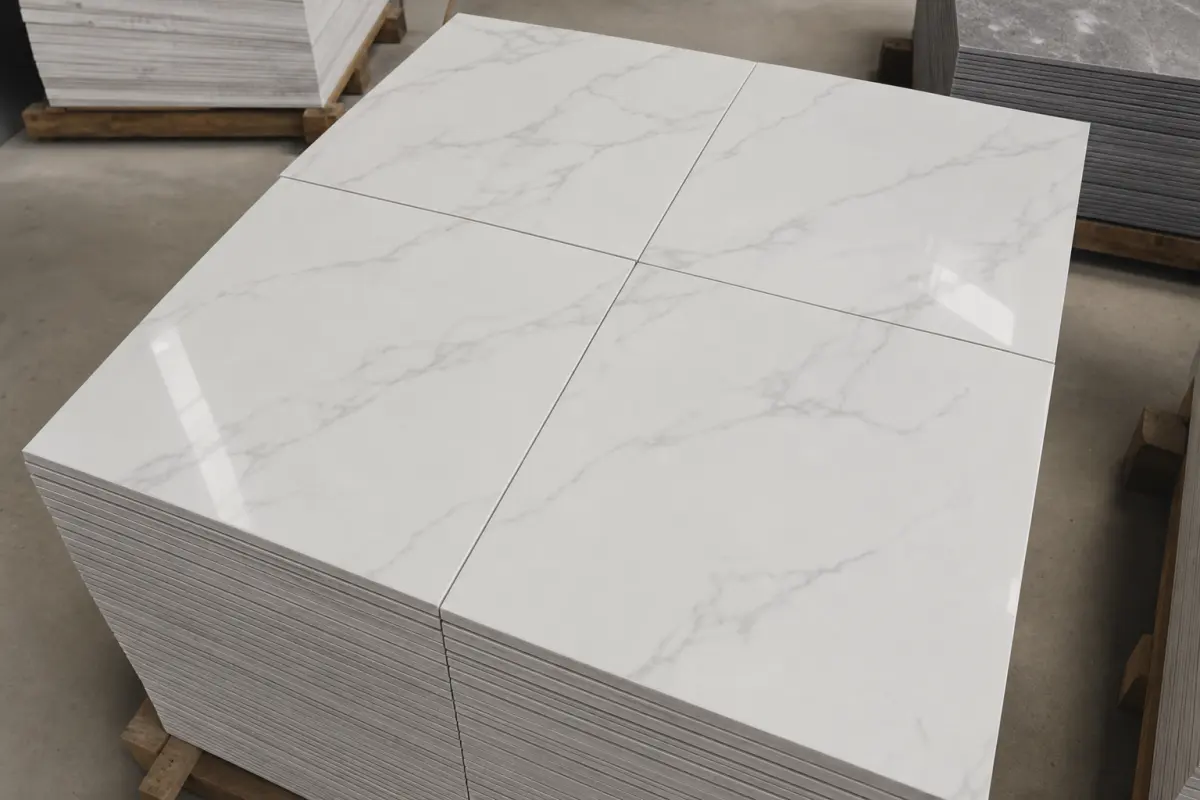
A factory-exporter in Buner or Mardan saws, polishes, packs, and appears on the commercial invoice and the goods declaration as the seller. That is the cleanest story for a first container of Bampokha No.1 slabs. It is also the rarest complete package. Many Torwarsak sheds can saw and polish but have never opened a Form-E, never stood at Port Qasim, and never booked a vessel. They sell ex-factory to whoever handles paper.
A Karachi consolidator or “exporter house” buys lots from several KPK mills, mixes or keeps them separate, packs at a yard near the port, and files export documents in their own name. Legitimate. Useful if you want one seller of record and mixed SKUs. Dangerous if they will not name the mill that sawed your white lot. You then have no shade lock and no one to re-order from except the consolidator’s leftover stack.
A broker introduces, translates, and sometimes “manages.” They may sit in Mingora, Peshawar, or Dubai. They should be paid a disclosed commission, not disappear into a margin you cannot audit. If the broker’s company is the only name on the invoice while the mill is a WhatsApp number, you have bought a catalogue. Compare that pattern with the mill-versus-trader tests in marble manufacturers in Buner versus traders.
What a factory-exporter actually controls
Control means the ability to change an outcome this week. A factory-exporter controls which block is clamped, which polish sequence runs, which slabs go into which crate, and whether a rejected slab is pulled before the truck leaves Swari. They control mill-gate photos. They may control the inland truck if they have a regular haulier. They control the production calendar subject to PESCO feeders—load shedding is a real constraint in a cluster of roughly 500 marble factories in Buner, not an excuse you should accept without a reschedule photo.
They do not automatically control the vessel. Booking a sailing from Karachi or Port Qasim is a forwarding skill. Some Buner owners have a Karachi agent on retainer. Many do not. When a mill quotes FOB without naming the forwarder, they are hoping you will not ask. Ask. The Incoterm split is mapped in FOB Karachi marble from KPK factories. Identity and Incoterm are different questions that get answered by the same email thread.
Tax identity is part of control. After the old PATA goods-tax holiday, a factory that issues an FBR-compliant invoice is a different counterparty from a shed that still talks “cash at the gate.” Your bank cares. Our Buner factory tax research is the background; on this page, the takeaway is: the exporter’s NTN must match the invoice and the goods declaration seller field, or you are stacking identities.
What a Karachi consolidator actually controls
A consolidator controls port-side labour, crate restuffing, document sets they have filed a hundred times, and relationships with shipping lines. They can often move faster on a mixed container—white slabs plus a few crates of Nanser-type black—than a first-time Buner mill. They may hold bonded or ordinary yard space where you can inspect after the inland haul. That inspection catches truck breakage. It does not catch a mill that polished the wrong shade two weeks earlier unless you also inspected at the mill or froze a lot with photos before the truck left Torwarsak.
Consolidators sometimes re-label origin. “Pakistan white” on a packing list that used to say Bampokha is how a second container fails a mock-up. Write origin as a required field on every line. If the consolidator sources from Chamla one week and Bampokha the next, that is allowed only if you approved two lots. Otherwise you are buying their inventory problem.
Ask whether they are the manufacturer, the exporter, or both. If both, they should show a mill address in KPK and a Karachi stuffing point. If only exporter, they should name the mill on the RFQ response. Profiles such as Zeex Naturals that declare quarry-linked processing are easier to place on this map than a Karachi letterhead with no shed. Ayaz Marble similarly publishes Buner factory identity—use that as a template for what you want on paper.
Documents: Form-E, goods declaration, packing list, bill of lading
Pakistan export files are a chain. The commercial invoice states seller, buyer, description, value, and Incoterm. The packing list states crate counts, weights, and often slab counts. The goods declaration (GD) is the customs filing. Form-E (or the current WeBOC equivalent your broker names) is the bank’s export reporting tool tied to proceeds. The bill of lading names the shipper, consignee, and notify party. If those names do not tell one story, the container is a dispute waiting at destination.
A KPK marble exporter who is also the mill should appear as seller and usually as shipper, unless a freight forwarder is named as shipper with the mill as notify or as a documented principal. A consolidator as seller with a mill as “manufacturer” on a certificate of origin is a known pattern—acceptable if disclosed. A broker as seller with no mill anywhere on the file is how you lose a claim. Put the intended name map on the RFQ: mill, exporter of record, forwarder, consignee.
Packing lists are where substitutions hide. “White marble slabs, 2 cm, 18 crates” without bundle IDs is a fog. Require crate numbers that match mill-gate photos. Mixed goods—slabs plus 60×60 tiles—need separate lines so HS classification does not collapse. Blocks to China and polished slabs to Jebel Ali should not share a vague “marble” line. HS 2515 versus 6802 depends on form; your broker confirms the heading, the exporter must describe the physical goods honestly.
Who books the vessel, and who owns the delay
Vessel booking is a Karachi act. Cut-off times, VGM, and rolling cargo are not Torwarsak problems until they become demurrage. If the mill’s cousin “knows a line,” get the booking note. If you appoint the forwarder, say so and keep the mill out of ocean promises they cannot keep. If the exporter books, they own the cut-off; you still own the spec. Write the sailing window as a range, not a fantasy date in peak summer when polish lines idle.
Inland haul from Buner to Karachi is its own booking. Trucks, police checks, and mountain weather sit in the quarry-to-Karachi logistics note. Identity-wise: whoever contracts the truck owns the breakage argument unless Incoterms say otherwise. Factory-exporters who use the same two drivers for years have a file of claims. First-time brokers who hire a random high-side have a story. Ask who the haulier is. Unromantic. Effective.
Port Qasim versus Karachi West Wharf is a line-and-commodity choice, not a brand. Name the load port on the RFQ so bids are comparable. An exporter who says “Karachi” without a terminal is leaving a hole. An exporter who cannot say whether they stuff at a dry port or at the terminal is leaving another.
Certificates, inspections, and who can stand behind a lot
SGS or equivalent inspection can be mill-gate, stuffing-point, or both. Only the party who controls the yard can host the inspector. A broker in Dubai cannot. A mill in Torwarsak can. A Karachi consolidator can host stuffing inspection. First containers of high-value white should not skip mill-gate if the exporter is a consolidator you have never used. Repeat SKUs with a named mill and frozen lots can often inspect at stuffing only.
Certificates of origin, fumigation/ISPM for wood, and any buyer-required test reports (water absorption, if a consultant asked) must be issued against the exporter’s file. Fake letterheads are a known scam pattern—read buyer protection before you treat a PDF as a lab. A factory-exporter who has shipped before will have prior GDs they can show with numbers redacted. A brand-new exporter can still be honest; they should not pretend to be a twenty-year file.
Quality claims after discharge go to the seller on the invoice. If that seller is a consolidator, the mill may say “we sold them commercial grade.” Your contract must name the mill lot or you have no one to re-order matching stone from. This is why identity is a commercial term, not a courtesy line on a website.
How to test identity on an RFQ
Ask four questions in writing. Where is the gangsaw (union council or road, not “Buner”)? Whose NTN is on the proforma? Who will be shipper on the B/L? Who takes the crate photos at mill gate and at stuffing? A true factory-exporter answers 1–3 with the same company and 4 with their staff plus a named forwarder. A consolidator answers 1 with a mill name, 2–3 with themselves, 4 with mill photos they should still be able to attach. A broker answers with delay.
Ask for a dated video of the saw and the yard, with the RFQ number spoken on camera. Match the signboard to the invoice. Visit if the order is large; Peshawar to Torwarsak is a day’s work, not a pilgrimage. If you cannot visit, an inspector can. Publish the RFQ on the Pakistan marketplace so respondents declare processing location instead of hiding behind a Karachi email.
Payment beneficiary must match the exporter of record. Third-party accounts “for tax” are a stop sign. Letters of credit should name the same company. If the mill wants the deposit and the Karachi house wants the balance, you have two sellers—price both or walk. Online RFQ discipline is in buy marble from Pakistan online; use that path so the identity answers sit in a thread you can audit.
When a split role is rational
Split roles are normal. A Buner mill that has never exported can still be the right saw. Pair them with a documented Karachi exporter and write both names. You pay a disclosed export fee. You keep mill-gate photos. You inspect stuffing. You do not pretend you bought “factory-direct FOB” from a shed that has never seen a bill of lading. Gulf programmes that want one seller of record often prefer this split over teaching a first-time mill WeBOC under a hotel deadline.
China block programmes often run mill or quarry as seller of blocks, with a Karachi or Peshawar house handling GD. That can work if block marks and dimension lists survive the handoff. See Bampokha blocks to China for the trade lane; identity still comes first. Tile programmes may add a second mill for calibration—name it. Mixed white-plus-grey containers may genuinely need two sheds; the exporter of record still needs one packing list that tells the truth.
What is not rational is a silent split: you thought Zeex or Ayaz was the seller and the GD shows a company you googled at 1 a.m. Put the name map in the contract. StoneVaults supplier profiles exist so that map can start from a public page, then move into an RFQ, then into documents. Use verified KPK exporters as the shortlist layer, then run this identity test on whoever bids.
Power, tax, and extraction: exporter constraints that are not “attitude”
A factory-exporter in Buner lives with PESCO outages, blade queues, and royalty paperwork. A Karachi exporter lives with terminal congestion and bank scrutiny. Neither is a reason to skip dates; both are reasons to write ranges. Extraction method—blasting versus wire saw—changes yield on the mill’s lot, which changes whether the exporter can fill your metreage from the blocks they claimed. Put method on the RFQ. Background is in blasting versus wire saw.
Electricity and tax notes are not exporter poetry. They decide whether a quoted week is real and whether the invoice will clear a letter of credit. Read them once, then ask the exporter to confirm “FBR invoice yes, mill-gate video yes, named forwarder yes.” Three yeses beat a brochure that says “leading Pakistan marble exporter” with a stock photo of Carrara.
If the exporter cannot discuss those constraints, they are not close to the mill. Close to the mill is the point of buying KPK stone instead of a Karachi generic. Daggar, Swari, Torwarsak, Bampokha—those names should appear in the identity file. “Northern Pakistan” should not be the most precise geography on a commercial invoice.
StoneVaults: make the exporter of record visible before the deposit
Filter listings, open supplier profiles, and send one RFQ that asks the four identity questions. Compare mill address, NTN willingness, and Incoterm. Shortlist two, not ten. Attach your BOQ. Factories that actually export will answer; catalogues will bounce. That is the practical definition of a Pakistan marble exporter from KPK: a named company that controls production or honestly names the mill that does, and that will put the same name on the invoice, the GD, and the packing list.
For Dubai and Saudi landing, keep identity tight and then read the destination articles—UAE importers and Saudi mosque and villa sourcing. For platform mechanics see the B2B marketplace guide. If a bid will not name a mill, contact StoneVaults rather than negotiating with a letterhead. KPK has plenty of real exporters. Your job is to stop paying the ones who only export PDFs.