Slabs, tiles, and blocks are three different products from the same Buner quarry—each with its own yield, MOQ, and quote format. Learn what Swat and Buner suppliers should itemize so architects and importers compare apples to apples.
When a Buner supplier sends one per-square-metre number without saying whether it is slab, tile, or block, the quote is incomplete. Slabs vs tiles vs blocks determines saw path, polish hours, waste, packing, and which factory line earns your money. Swat and Buner share trucks and names; the format you buy determines whether Torwarsak gangsaws or tile bridge saws run your job.
This guide tells buyers what to demand on each quote line—and tells suppliers what transparency looks like on StoneVaults RFQs.
Raw blocks: what the quote should include
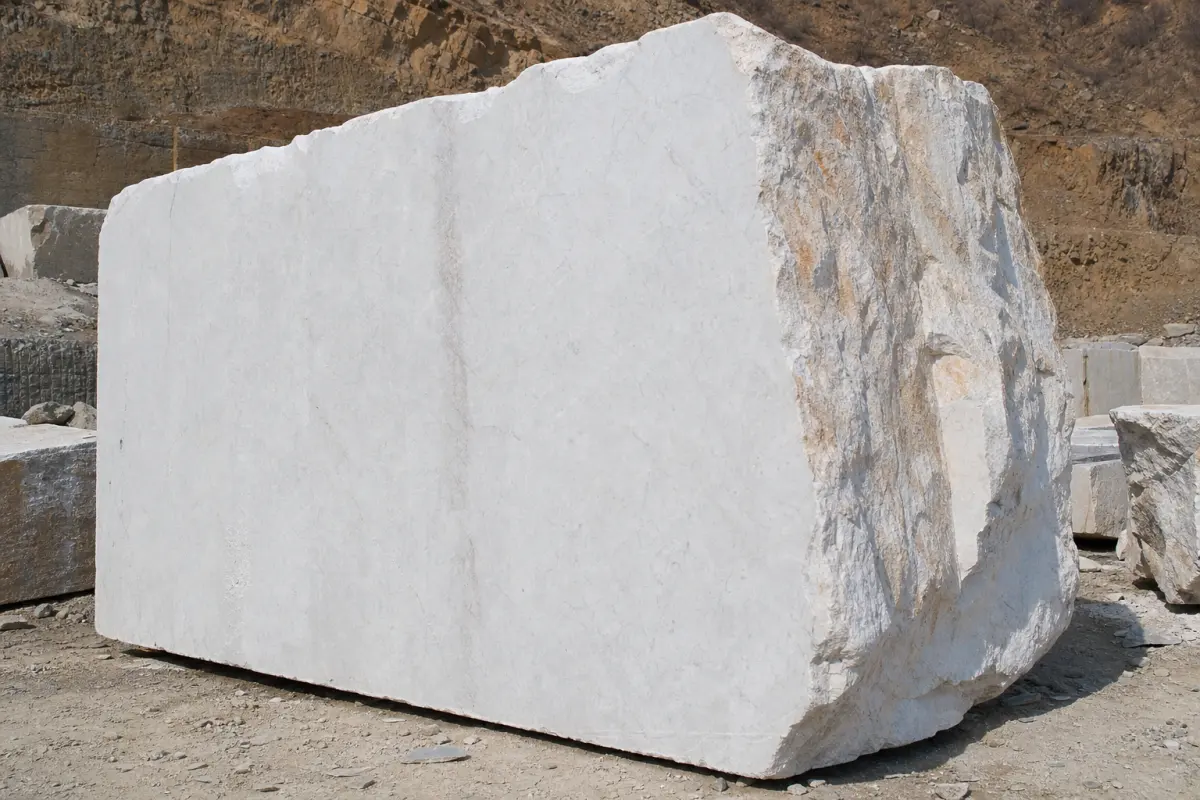
Blocks sell by ton, cubic metre, or numbered piece list with L×W×H. Quote should state quarry origin (Bampokha, Nanser, Swat lease), extraction method (wire vs blasted per quarry tools guide), and whether price is ex-quarry or ex-block-yard Torwarsak. No polish, no square-metre fiction—unless supplier models expected slab yield (optimistic). Browse raw block and Bampokha raw blocks.
MOQ is weight-based; inspection is visual and dimensional. Payment tied to mark numbers on the yard. Best for re-export, monuments, and factories with own saws.
Slabs: polished export format
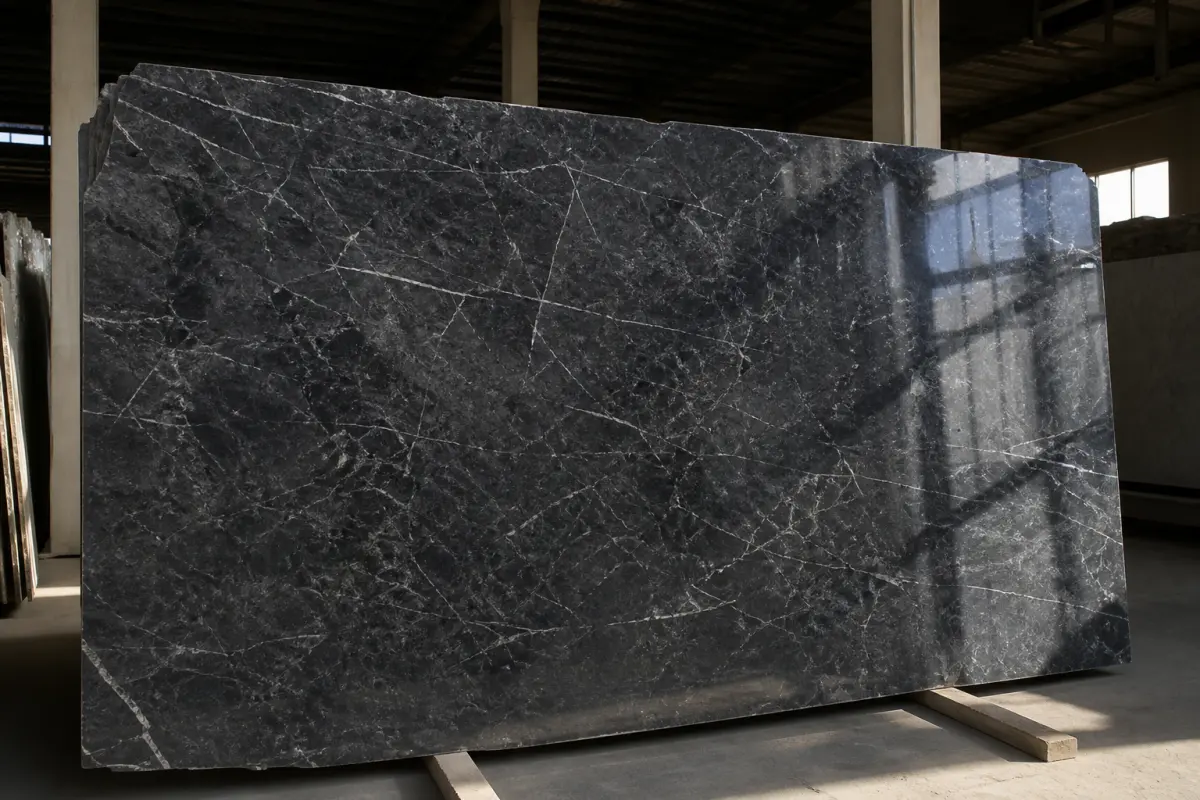
Slab quotes belong in square metres or per slab with average size stated. Must list thickness (2 cm / 3 cm), finish, grade (No.1 vs commercial per Bampokha grades), resin/mesh policy, and bundle count per container. Reference SKUs: Bampokha No.1, Super White, Badal grey, black marble.
Include packing (A-frame), ex-mill or FOB Karachi, and lead time with power caveat (electricity). Slab MOQ often equals container logic—wholesale MOQ guide.
Tiles: calibre and logistics
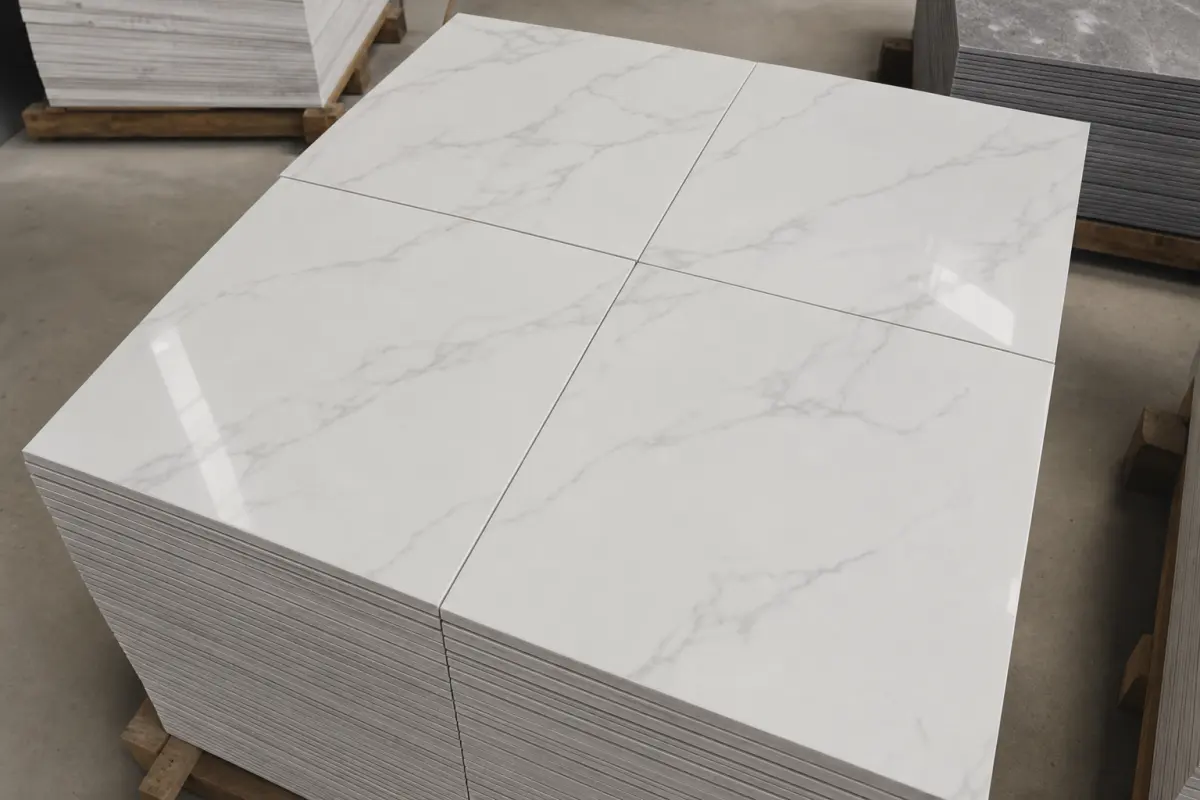
Tile quotes need size (e.g. 60×60 cm), thickness, finish, calibre tolerance, bevel, and boxes per pallet. Square-metre price without calibre rules invites site fights. Tile lines may run separate from slab polish—confirm shade match if mixed order.
Domestic hotel corridors love tiles; export containers of tile need pallet specs and corner protection distinct from slab crates.
Side-by-side quote checklist
- Format declared on every line item.
- Waste factor stated for cut-to-size derived from slabs.
- Tax status on invoice—tax research.
- Separate trucking to Karachi if FOB export.
- Photos tied to block or bundle ID.
When to choose which format
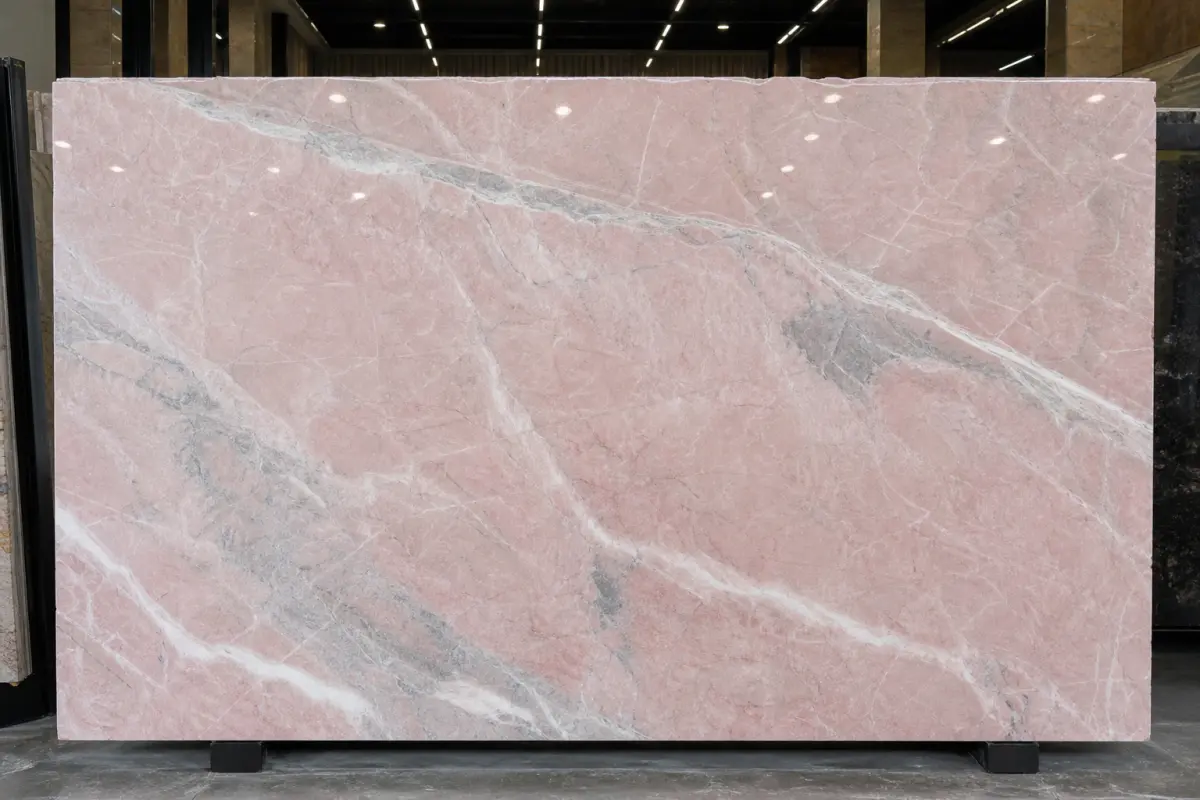
Large lobby slabs: polished two-centimetre export slabs. Repeated floor grids: tiles if calibre controlled. Overseas cutter or thick treads: blocks. Feature onyx or pink: often slab small lots—honey onyx, pink fancy.
Price comparison across formats belongs in marble price Pakistan 2026; safe sourcing in quarry-direct buying. Architects should attach this checklist to online RFQs—RFQ spec template.
RFQ all three on StoneVaults
Split BOQ lines on the marketplace so suppliers quote slabs, tiles, and blocks explicitly. Suppliers like Zeex Naturals compete fairly when format is never ambiguous. Buner and Swat suppliers earn trust when quotes read like engineering documents—not mystery per-metre chatter.
Yield math: why block price misleads floor BOQs
A cheap block quote ignores saw kerf, crack culling, and polish waste—finished square metres per ton vary by extraction method. Factories sometimes model optimistic yield in block-to-slab proposals; independent inspection at half-saw stage protects importers. Tile yield adds cutting loss from slab or from smaller block formats—ask for planned strip layout on bridge saw.
Cut-to-size vanity and stair treads from slabs should be line-itemed separately from floor field tile—labour and waste differ. Export buyers re-cutting in their country still care about block soundness; domestic buyers buying polished slab should not pay block prices without polish line proof.
Compare Swat-origin block with Buner saw using declared haul and saw location—total cost may favour integrated Torwarsak factory over seemingly cheap Swat face price. Document everything in architect RFQs per online spec template.
Feature stair and lobby tread packages often specify three-centimetre slabs while corridors use two-centimetre—quote separately. Countertops derived from same block run as floor may need book-match negotiation; not every factory offers book-match without premium line item.
Importers quoting landed cost to their customers should convert square-metre to square-foot only after thickness fixed—conversion errors cause classic margin loss on wholesale container resales. StoneVaults RFQs in square metres match factory habit in KP.
Waterjet and CNC programmes consume slab area differently than straight floor field—quote slab supply plus fabrication separately unless factory owns waterjet. Pool copings and stair nosings from block may be cheaper than slab waste cut-downs; ask supplier to model both in BOQ review meeting.
Swat suppliers quoting block while Buner partner quotes polish should appear as two line items with inter-company haul disclosed—hidden subcontract makes shade accountability impossible when something fails on site.
Half-slabs from gangsaw are a fourth format some RFQs ignore—job shops buy half-slabs to polish locally; price per half-slab with rough size range, not polished square metre. Clarify whether supplier quote assumes you accept gang-saw marks on one face.
Retail showrooms displaying polished slab should not use that retail per-metre to beat factory wholesale on same SKU—different cost stack entirely.
Ask suppliers to state gang-saw blade hour allocation for your order—queue jump fees belong in open quote lines, not surprise invoices later.
Currency on quote header (PKR vs USD) prevents comparing bids on misleading day-old exchange assumptions.
Delivery week number beats vague “soon” on every slab and tile quote line.