Architects sourcing Pakistani marble online need more than Pinterest boards—they need thickness, finish, shade bands, and logistics in one RFQ. This guide walks through a practical spec sheet template and how to run competitive quotes on StoneVaults.
Architects who source Pakistani marble online often start with a render and end with a change order—because the RFQ never translated design intent into millimetres, finishes, and acceptable vein. Buner and Swat factories do not read mood boards; they read thickness, square metres, tolerance, and payment milestones. A structured spec sheet turns WhatsApp chaos into comparable bids from Torwarsak lines and verified suppliers on StoneVaults.
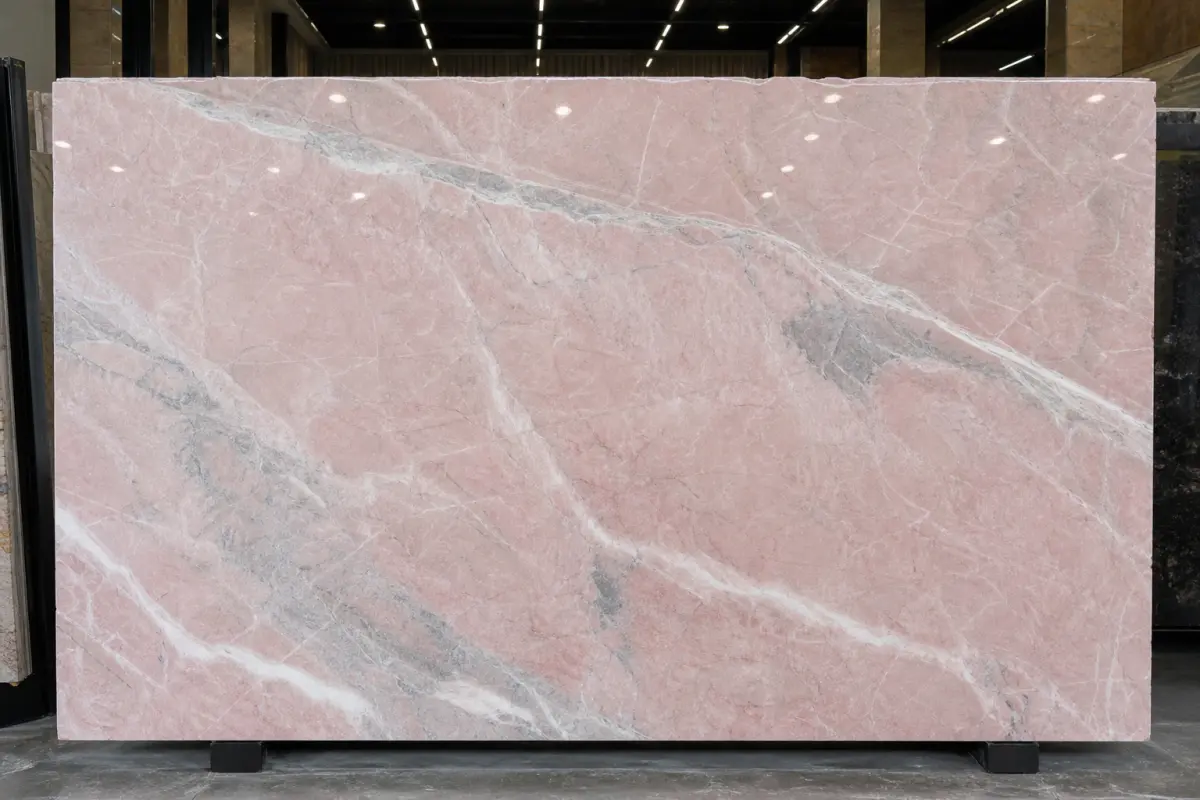
This template fits hospitality, mosque, corporate lobby, and export programmes where Bampokha white, Super White, Badal grey, or feature stones like pink fancy marble compete with import on sample boards.
RFQ spec sheet template (copy and adapt)
Project identity: Name, city, install environment (interior floor, wet area, façade), required delivery window.
Material commercial name and reference SKU: Link marketplace listings or attach approved sample photo with date.
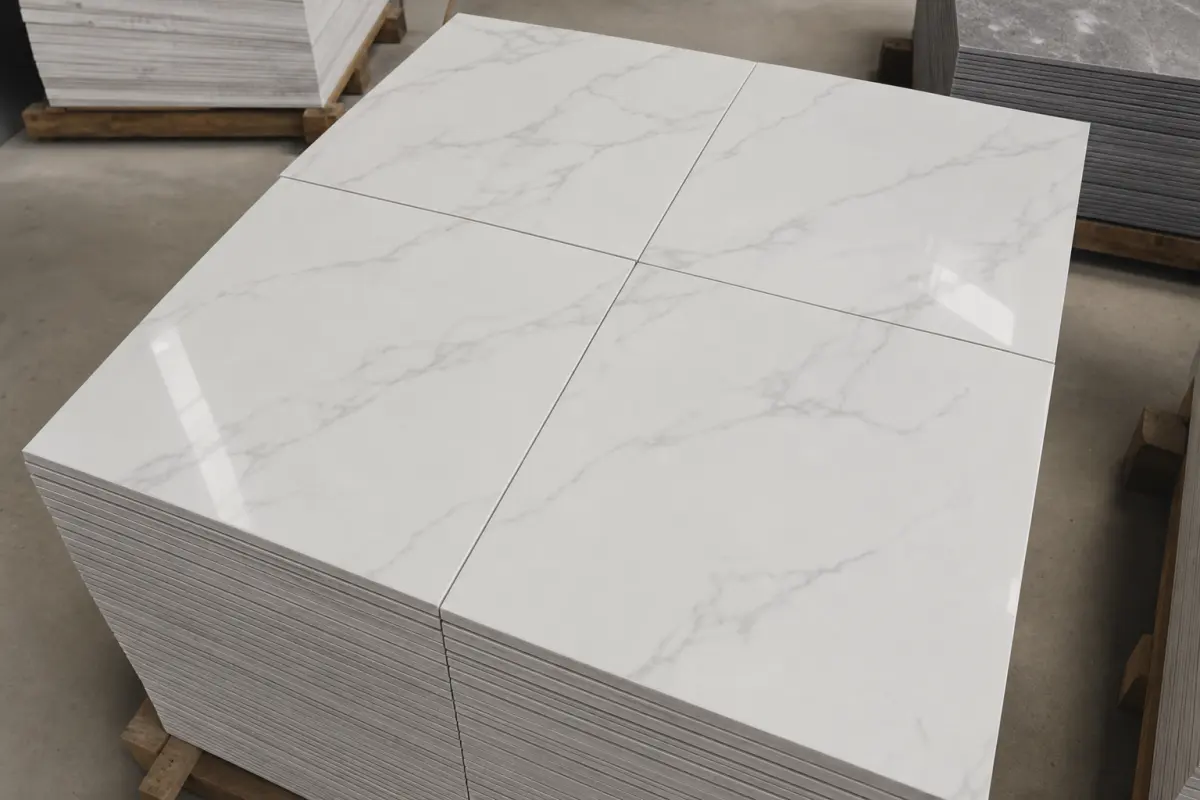
Format: Slab, tile (60×60 example), or cut-to-size—see slabs vs tiles vs blocks.
Thickness and finish: e.g. 2 cm polished, honed if needed; state anti-slip requirements.
Quantity: Square metres with waste factor; slab count estimate if known.
Shade and vein tolerance: Define acceptable movement; book-match needs yes/no.
Resin and repair: Maximum fill area, mesh backing allowed, edge treatment.
Logistics: Ex-mill Buner, ex-warehouse Karachi, FOB Karachi, or project site city.
Documentation: Invoice type, export docs if overseas—export guide.
Sample protocol: Who pays courier; sample size; approval deadline before production lock.
Payment milestones: Deposit, polish complete, pre-shipment—never 100 percent blind.
How to run competitive quotes online
Publish the spec on the StoneVaults marketplace with attachments. Invite suppliers including Zeex Naturals to bid with factory location declared. Compare on identical Incoterm and thickness—price drivers in marble price Pakistan 2026. Use Bampokha grades language consistently so No.1 means the same to every bidder.
For import alternatives on the same board, read Super White vs Carrara and flooring value engineering in local vs imported flooring. Architects in Peshawar and Islamabad may add domestic haul only; Dubai and Riyadh teams should specify port and inspection.
Common architect mistakes on Pakistani marble RFQs
- Mixing slab and tile specs in one line without calibre rules.
- Omitting wet-area sealant and maintenance notes for calcite marble.
- Assuming book-match from a single bundle photo.
- Ignoring tax-inclusive factory pricing post-PATA—tax research.
- Skipping power-season lead time—load shedding.
From RFQ to site: samples and mock-ups
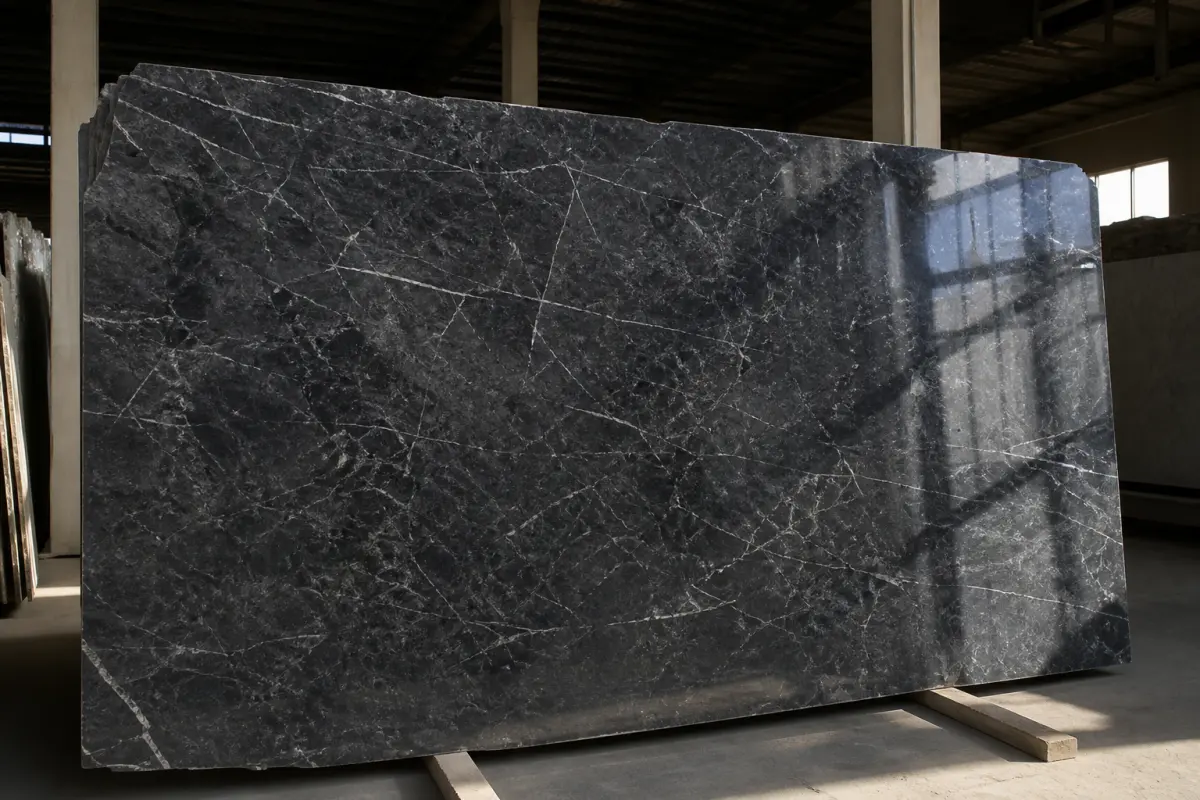
Ship sample tiles or small slabs before container commit. Photograph under project lighting CCT. If grey corridors and white lobbies split materials, RFQ both with border detail. Black feature walls may use black marble slabs; onyx accents honey onyx—separate RFQs avoid wrong polish line setup.
Link district context from Buner suppliers and Swat suppliers when origin story matters to the client. Wholesale terms from MOQ and Incoterms apply when the architect’s client buys full containers.
Close the loop on StoneVaults
Store approved spec PDFs in project files; update RFQ if BOQ changes after value engineering. Architects who source Pakistani marble online with discipline get factory-direct clarity without flying to Torwarsak on every phase—though nothing replaces one factory visit before the first big container.
Coordination with contractors and fixers on site
Your RFQ spec should reach the fixing subcontractor: adhesive system, movement joints, and substrate flatness for large slab format. Pakistani sites often split supply (factory) from fix (local contractor)—architect spec must bridge both. Wet areas need slope and sealant schedule referenced in material submittal even when stone is local Buner white.
Mock-up panels approved online still need site verification under final lighting. Document who pays for replacement slabs if fixer error chips corners—supplier warranty rarely covers installation. For mosque and hospitality programmes, align prayer or opening dates with commercial supply phasing and factory queue reality.
Digital RFQ archives on StoneVaults help successor architects on renovation phases five years later—shade match depends on saved bundle IDs. Train junior staff to never alter thickness in spec without structural review; three-centimetre lobby slabs weigh differently on slab-on-grade details.
Include sustainability narrative only when accurate—local Buner stone reduces ocean freight versus import; do not claim zero-carbon without data. Accessibility standards for slip resistance may override polished lobby preference—discuss honed or brushed finishes in RFQ before client sign-off on glossy Super White.
When clients insist on Italian names, document value-engineering alternatives in writing—Super White versus Carrara sample board minutes protect professional liability if local stone performs identically on approved sample.
BIM and quantity takeoff should export square metres with waste already applied—suppliers reject RFQs that double-count waste in attachment and in platform form. Clarify border and medallion pieces as cut-to-size from slab versus pre-fabricated waterjet—pricing lives in different factory departments. For mosque mihrab detail, attach DXF only after factory confirms CNC or manual capability in Torwarsak job shops.
Peer review another architect’s RFQ before publish when junior staff drafted it—missing mesh-backing clause causes export slab disputes. StoneVaults comment threads on RFQ keep supplier questions auditable versus scattered WhatsApp voice notes.
List statutory retention percentages if government project—suppliers price cash flow into bid. Include escalation clause tied to fuel or tax only with caps both sides accept.
Photograph approved samples with ruler and date stamp; upload to StoneVaults RFQ so every bidding factory references identical visual tolerance.
Name a single point of contact on site and at factory for RFQ clarifications—role confusion delays bids past your tender deadline.