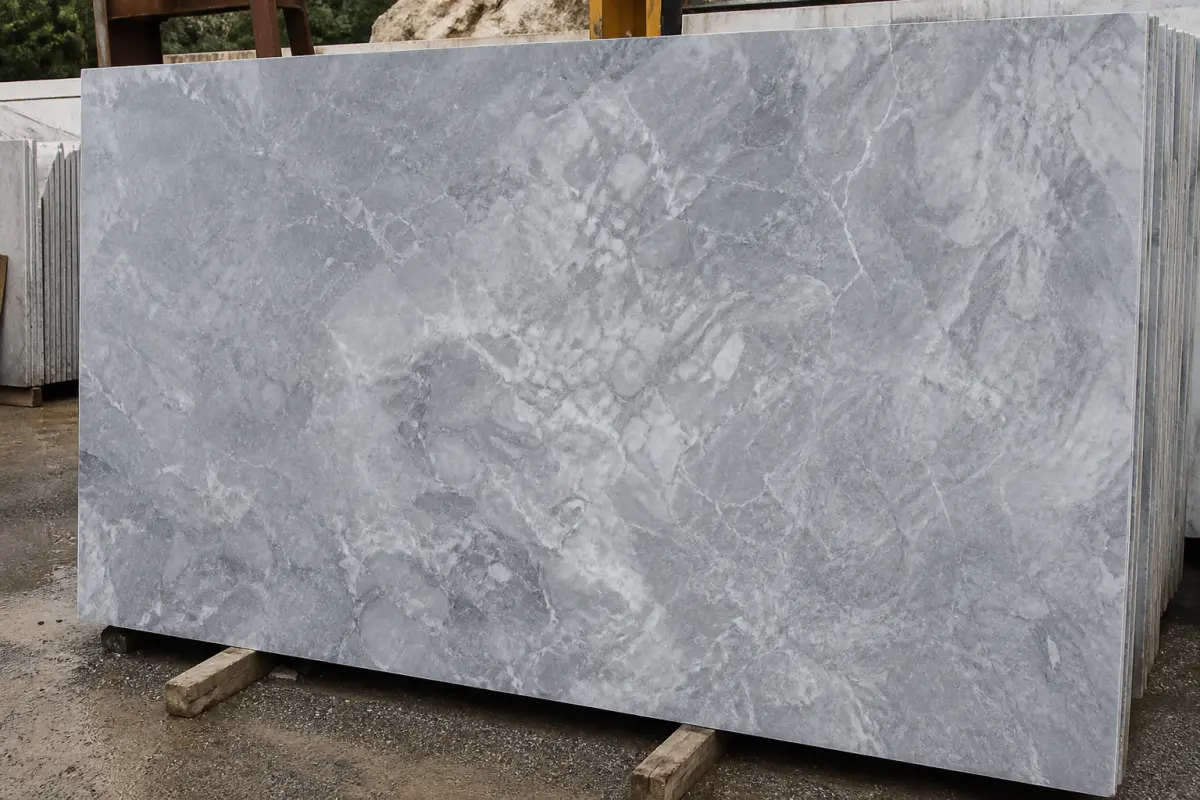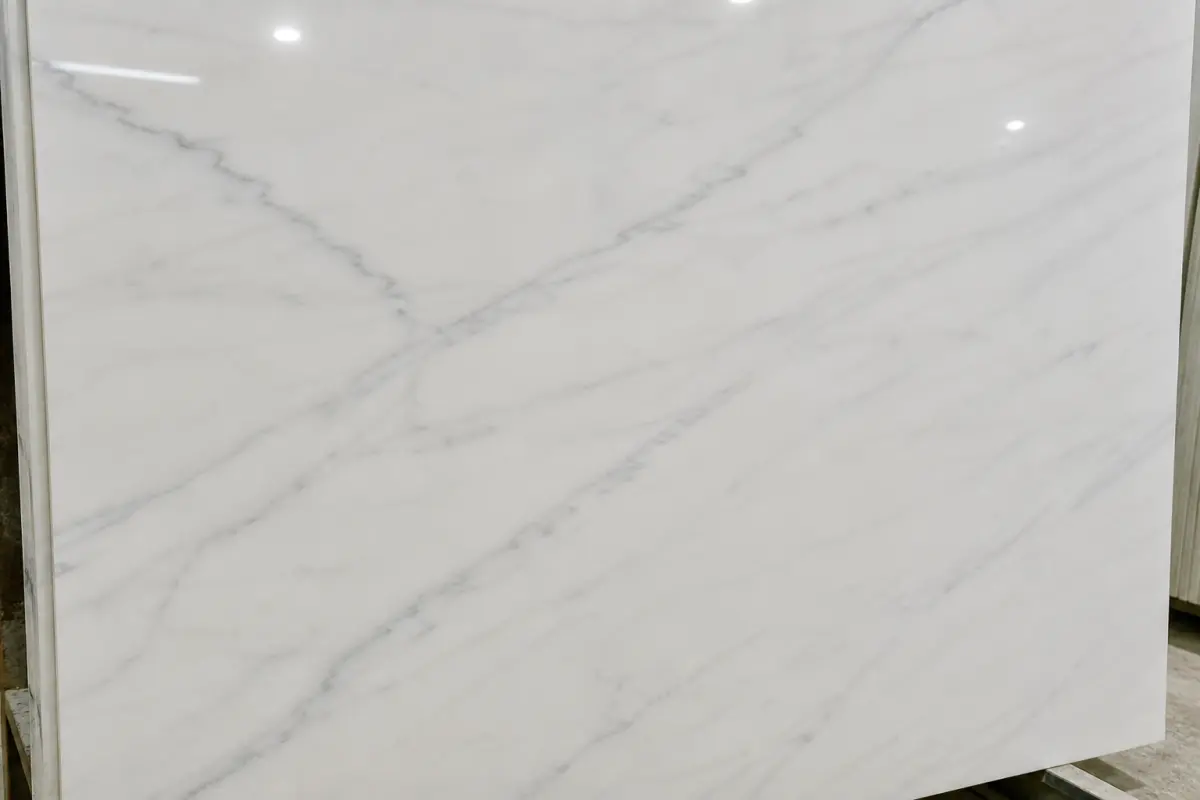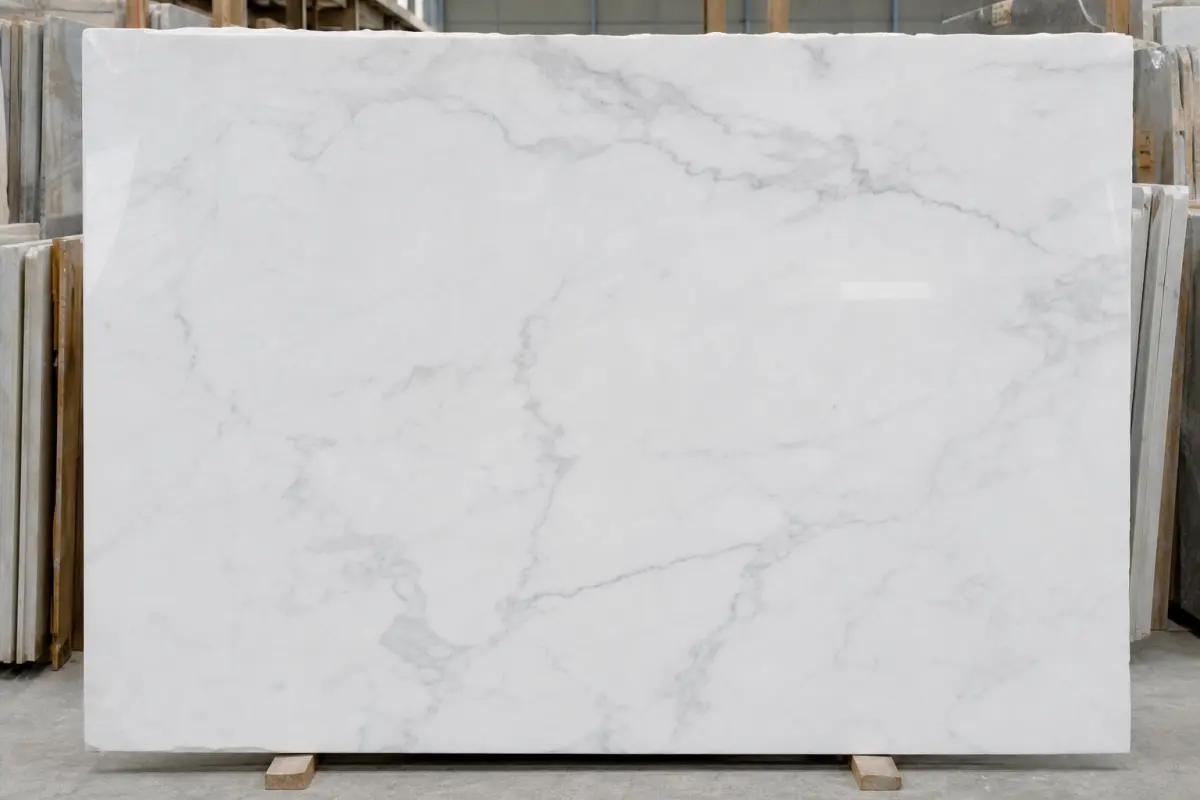
CPEC improved north–south haulage while Gulf fit-out and hospitality programmes still pull bright whites and feature stone. This brief shows how Swat and Buner suppliers can position slabs and blocks for UAE, Saudi, and Qatar buyers without living on middlemen margins.
Gulf buyers do not purchase “CPEC.” They purchase slabs that fit lobby mock-ups, villa bathrooms, and mosque courtyards on a deadline. Pakistani suppliers in Swat and Buner, meanwhile, do not sell logistics—they sell brightness, thickness, and whether the bundle matches the approved sample. The connection between the two is real: improved north–south corridors and dry-port habits change how quickly Malakand stone reaches Karachi and how confidently a UAE importer can repeat a SKU. This research brief ties Gulf demand signals to what Swat and Buner factories should document, polish, and quote in 2026.
UN Comtrade data for Pakistan’s marble exports remain modest in dollar terms compared with domestic factory output—much stone stays in Pakistan or moves as blocks to China. Gulf programmes still matter disproportionately for finished slabs because Dubai, Abu Dhabi, Riyadh, and Doha specifiers often want polished 2 cm with hotel-grade sorting. That is where Super White and Bampokha No.1 earn repeat orders when suppliers prove shade stability across containers.
What CPEC changed for northern stone—not what it did not
China–Pakistan Economic Corridor projects upgraded select highway segments, port handling at Karachi and Gwadar in strategic planning, and industrial-zone narratives around Rashakai and wider KP investment promotion. Marble trucks from Buner and Swat still spend most of their life on ordinary national highways: Mingora to Mardan, Mardan to Peshawar or Hasan Abdal routes, then south toward Karachi or north toward Torkham for Afghanistan transit. CPEC did not install a dedicated marble conveyor belt; it shortened some travel times and raised expectations that KP industry would formalise. Exporters who cite “CPEC” in marketing without naming actual loading points (Karachi Port Qasim, Karachi dry port, or border exit) sound like traders, not factories.
What northern suppliers should use from the corridor story is punctuality and documentation. Gulf buyers booking CIF Jebel Ali need suppliers who understand Azakhel tracking for concessionary machinery imports, sales-tax invoices after the PATA goods-tax phase-out, and packing that survives summer hauls. Read our factory tax research before you promise tax-free ex-mill pricing to a Dubai developer.
Gulf demand: segments that fit Swat and Buner stone
Hospitality and high-end residential work favour bright whites with controlled veining—exactly the commercial families Buner quarries. Feature walls and reception desks pull honey onyx and darker accents from northern belts when architects want warmth. Mosque and cultural projects in the GCC import large-format marble for floors and cladding; Pakistan competes on price and lead time against India, Turkey, and Italy depending on spec strictness.
Labour supply ties matter: Pakistani stone fixers and contractors already work across the Gulf. They specify names they trust from home districts. A Swat supplier with inconsistent thickness will lose repeat business even if the first container “looked fine” on arrival. Positioning for export means ISO-thickness habits, mesh where required, and photos tied to bundle numbers—not only a low FOB number.
Compliance and perception in UAE and Saudi markets
Gulf markets increasingly ask for traceable invoices, fumigation certificates on wood packing, and slab IDs that match shop drawings. Saudi and UAE customs regimes change; your forwarder matters as much as your gangsaw. Suppliers who publish specs on StoneVaults and respond to structured RFQs signal seriousness compared with voice-note-only sellers.
- Publish thickness tolerance and finish on every quote.
- Offer video walk-through of polish lines for first-time Gulf clients.
- Separate block business (often China-weighted) from slab business (Gulf-weighted).
- Quote port and incoterm explicitly—see our Karachi port logistics guide.
Positioning Swat versus Buner for export buyers
Buner owns factory density and the names Gulf importers already know. Swat owns mine diversity and Mingora’s trading layer. A smart export house pairs a primary Buner mill for white volume with Swat sources for alternates when Bampokha faces are tight. Do not blur origins on packing lists—Gulf consultants audit origin claims for client branding and maintenance manuals.
CPEC is the backdrop. Gulf demand is the contract. Swat and Buner suppliers win when they behave like export manufacturers: documented tax status, stable power strategy where possible, wire-sawn blocks when grade justifies it, and marketplace presence on the StoneVaults marketplace so buyers compare apples to apples. Middlemen will always exist; positioning for direct export is how factories keep margin as the province formalises.
Currency, payment, and repeat programmes
Gulf buyers often pay in dirhams or dollars while Buner mills cost in rupees on power, blades, and labour. Forwarders quote ocean freight in USD. Suppliers who export successfully build simple hedging habits: quote validity dates, partial advance tied to sawing milestones, and clear rules on who absorbs exchange drift between PI and shipment. First orders fail on payment timing more often than on geology. Publish bank details and tax IDs early so compliance departments in Dubai do not stall your container while a competitor’s paperwork is clean.
Repeat Gulf programmes reward shade libraries: keep bundle photos from container one so container three does not restart negotiation. Pair with verified supplier profiles when buyers want a persistent factory partner rather than one-off spot market.
Competing origins in the same Gulf tender
Turkey, Egypt, and India all bid the same hotel BOQs that Buner mills want. Pakistan wins when landed cost and lead time beat alternatives—not when a supplier claims vague “CPEC advantage.” Swat and Buner factories should benchmark against Turkish honed whites and Indian polished commercials on identical thickness and pack spec, then decide whether to chase lobby grade or service back-of-house zones where northern greys excel on price.
TDAP and provincial investment roadshows continue to pitch KP stone at Dubai and Riyadh fairs; the factories that convert those leads are the ones with English PI templates, fumigated crates, and willingness to accept small trial containers before mega-programmes. CPEC rhetoric fills brochures; Gulf purchase orders fill gangsaw shifts.