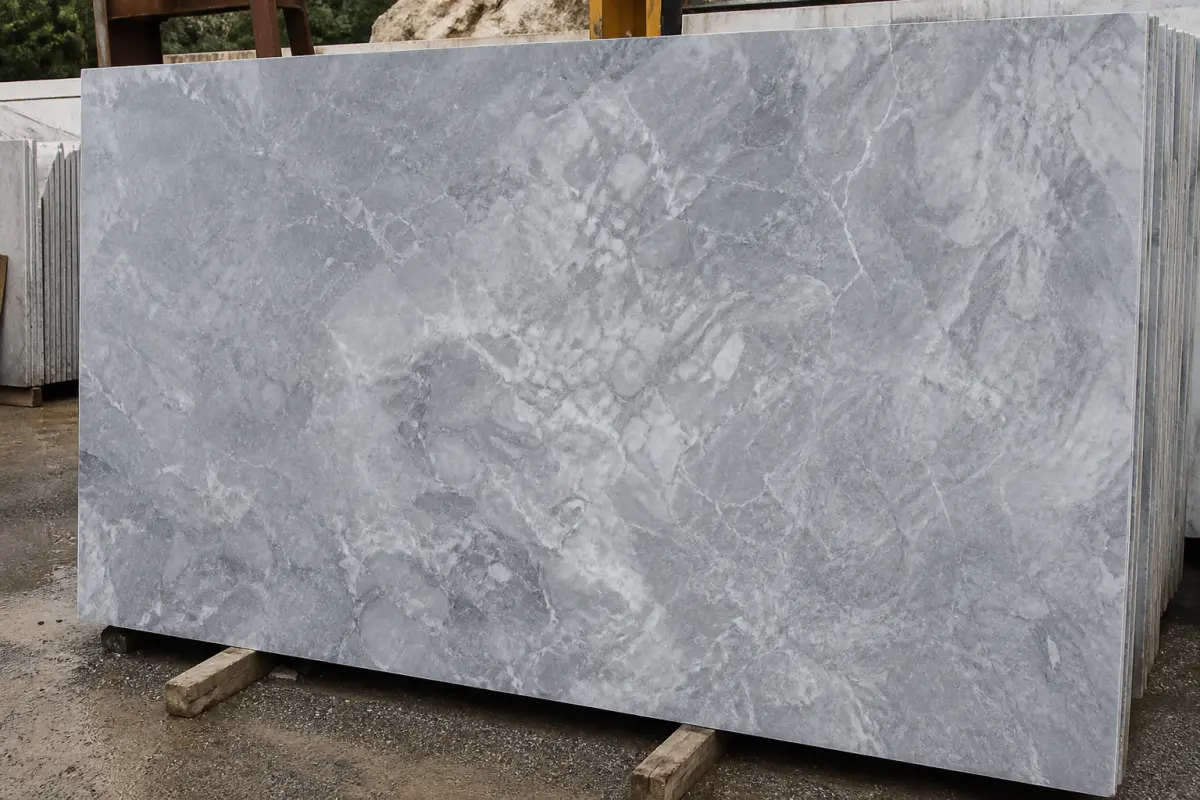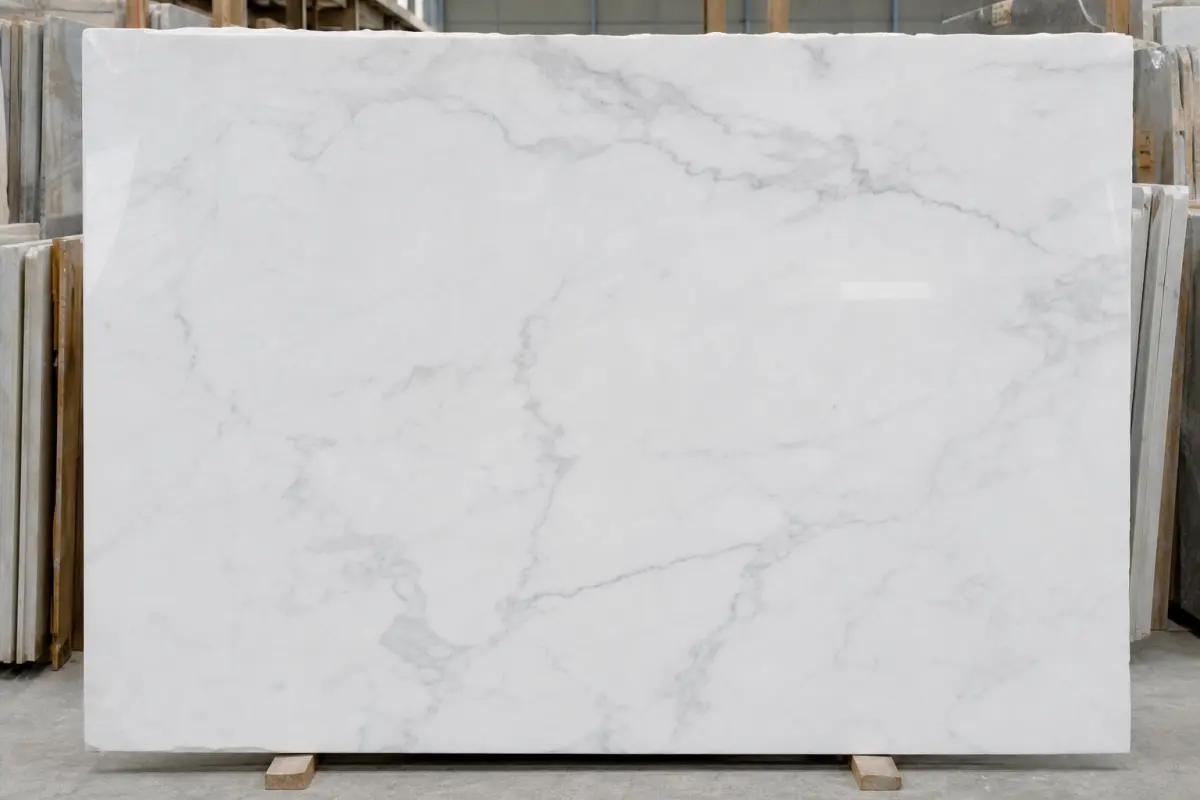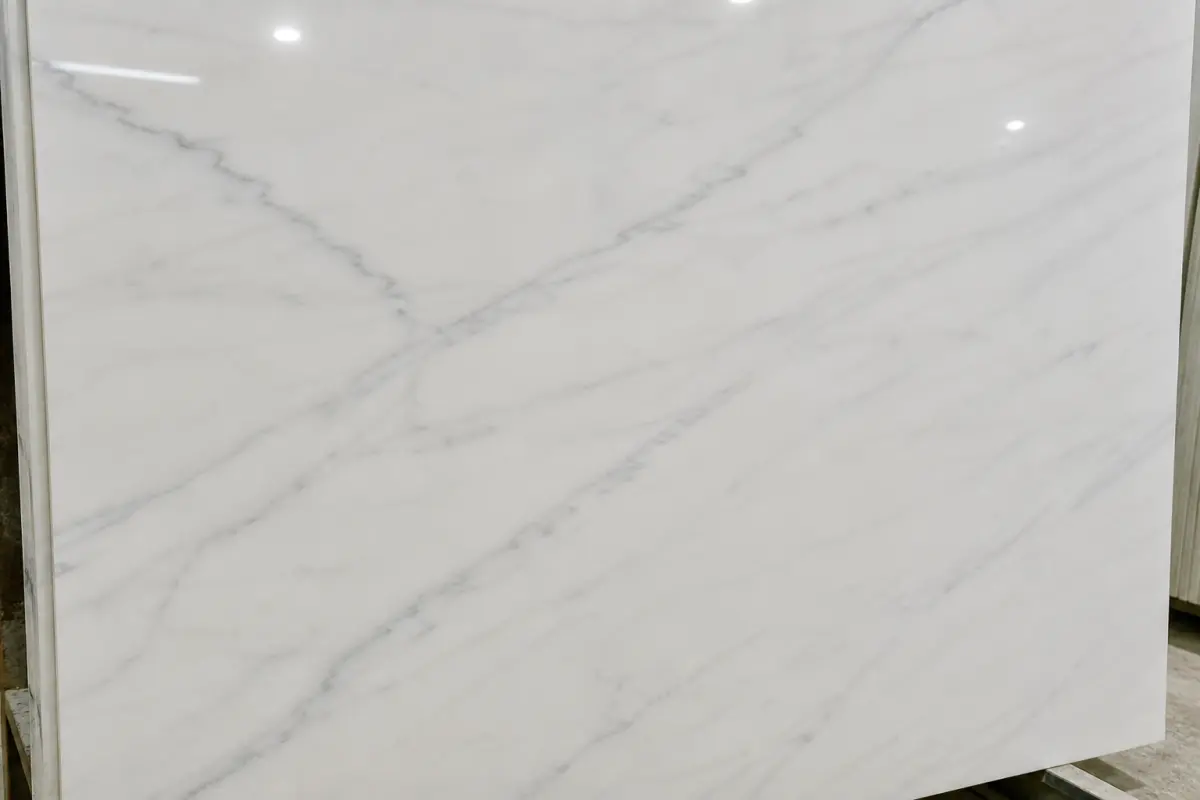
PASDEC and provincial mineral summaries cite roughly 2,340 million tons of marble and about 16,200 million tons of granite in Swat’s portfolio—planning figures that explain long-term supply hub rhetoric. Learn what reserves mean for buyers versus active quarry output today.
Planning documents and PASDEC-era district profiles describe Swat as a mineral-rich district with marble and granite endowments large enough to shape national stone strategy. Figures often quoted in industry seminars include on the order of roughly 2,340 million tons of marble and about 16,200 million tons of granite in Swat’s portfolio—magnitude estimates for policy and investment storytelling, not bankable proved reserves on every bench. Buyers should use those numbers to understand why Swat stays beside Buner in export narratives, not to calculate next month’s slab price per square metre.
Swat marble reserves in this context mean geological availability plus institutional promotion of value-added industry—mines, processing parks, training—while Swat granite reserves signal hard-stone potential alongside marble corridors. Active supply still flows through leased faces, Mingora traders, and Buner-linked gangsaws today.
What PASDEC-style figures imply for supply hub claims
Pakistan Stone Development Company (PASDEC) and allied provincial bodies historically mapped district minerals to attract processing investment—wire saws, tile lines, export marketing. Swat’s large quoted marble and granite totals justify “future supply hub” language: room for new leases, granite dimension-stone programmes, and reduced dependence on informal extraction. They do not guarantee uniform white marble like Bampokha at infinite volume—Swat colours include banded, green, and grey families distinct from Buner Sunny lines.
Compare Swat policy potential with operational reality in marble suppliers in Swat and regional contrast Buner vs Swat vs Dir. Reserves are upstream; Torwarsak polish is downstream—blocks cross district lines daily.
Marble versus granite in Swat buyer conversations
Marble programmes for hospitality and flooring still pull Super White and Swat-origin whites when samples match. Granite programmes—paving, counters, exterior—may cite Swat granite totals in investor decks while actual lots come from Swat leases or move to Mardan polish. Do not assume granite reserve tonnage equals export-ready slab inventory.
Price and logistics for active marble trade sit in marble price Pakistan 2026. Quarry methods remain relevant—blasting vs wire saw—wherever Swat blocks are cut.
Due diligence: reserves atlas versus your RFQ
- Treat million-ton figures as strategic context, not MOQ fulfillment.
- RFQ on sample-approved commercial names, not district tonnage.
- Ask lease status and extraction method for the specific colour.
- Confirm saw plant location—Swat mine plus Buner factory is normal.
- Plan Mingora sample visits or digital inspection for first orders.
Future hub narrative and 2026 procurement
Investment in processing and power would shift Swat from trader-forward to factory-forward over years; until then, buyers leverage Swat geology and Mingora access while using Malakand Division polish capacity. Granite-heavy buyers also read Dir granite mines and Dir supplier guide for hard-stone alternatives.
Export and hotel pipelines should document origin for marketing claims—export documents and commercial supply notes apply when Swat stone fills GCC BOQs.
Source Swat stone on StoneVaults
Publish colour, finish, and declared origin on the marketplace. Let suppliers state whether material is Swat-leased or Swat-branded through Buner saw. PASDEC-scale Swat marble and granite reserves explain why the district belongs in long-range sourcing maps—your container this quarter still depends on factory discipline, not atlas pages alone.
Investment narrative versus quarry permit reality
Provincial mineral departments issue leases with environmental and royalty obligations—reserve atlases do not shortcut permitting. Community relations on Swat quarry roads affect truck hours; buyers hear delays as factory slow when haul was blocked. Wire-saw investment increases where PASDEC training and financing reached operators—yield improves gradually, not overnight.
Granite reserve figures near sixteen thousand million tons in planning summaries invite industrial park proposals; marble near twenty-three hundred million tons supports tile and slab narratives. Feasibility studies still require power, water, and market access—the same constraints documented for Buner in electricity research.
Importers marketing “Swat stone” on brochures should align claims with certificate of origin and actual lease district—regulators and competitors notice mismatches. Pair long-term Swat strategy with short-term Buner factory partnerships for polish capacity until Swat processing density catches up.
Academic geology papers and PASDEC slide decks differ from weighbridge reality—cite reserves in investor memos, cite bundle photos in purchase orders. Swat green and banded marbles suit curated hospitality feature walls where each container is hand-selected; homogeneous tower floors still lean Buner white volume.
CPEC-linked infrastructure narratives occasionally reference northern mineral potential—your RFQ still comes down to Mingora sample approval and Torwarsak polish queue, not highway ribbon-cutting dates.
Training institutes PASDEC supported aimed to improve wire-saw adoption and export marketing literacy—benefits appear unevenly across Swat leases today. Buyers reward factories that invest in yield even when reserve atlas numbers are unchanged.
Compare Swat reserve narrative with active Swat supplier output when writing ten-year master plans for hotel chains—contract renewal should re-bid colour continuity, not assume infinite homogeneous white from any district.
Regional development budgets citing Swat granite potential should still fund road maintenance on quarry routes—reserve tonnage without truck access is not supply.
University and PASDEC training cohorts occasionally publish district mineral summaries—useful background reading, not substitute for slab sample on your desk today.
When investors cite roughly 2,340 million tons marble and about 16,200 million tons granite for Swat, footnote that figures are planning magnitudes—your purchase order still lists slab count and thickness.
Future supply hub status is a policy label; today’s hub is still Torwarsak polish capacity shared with Swat blocks.