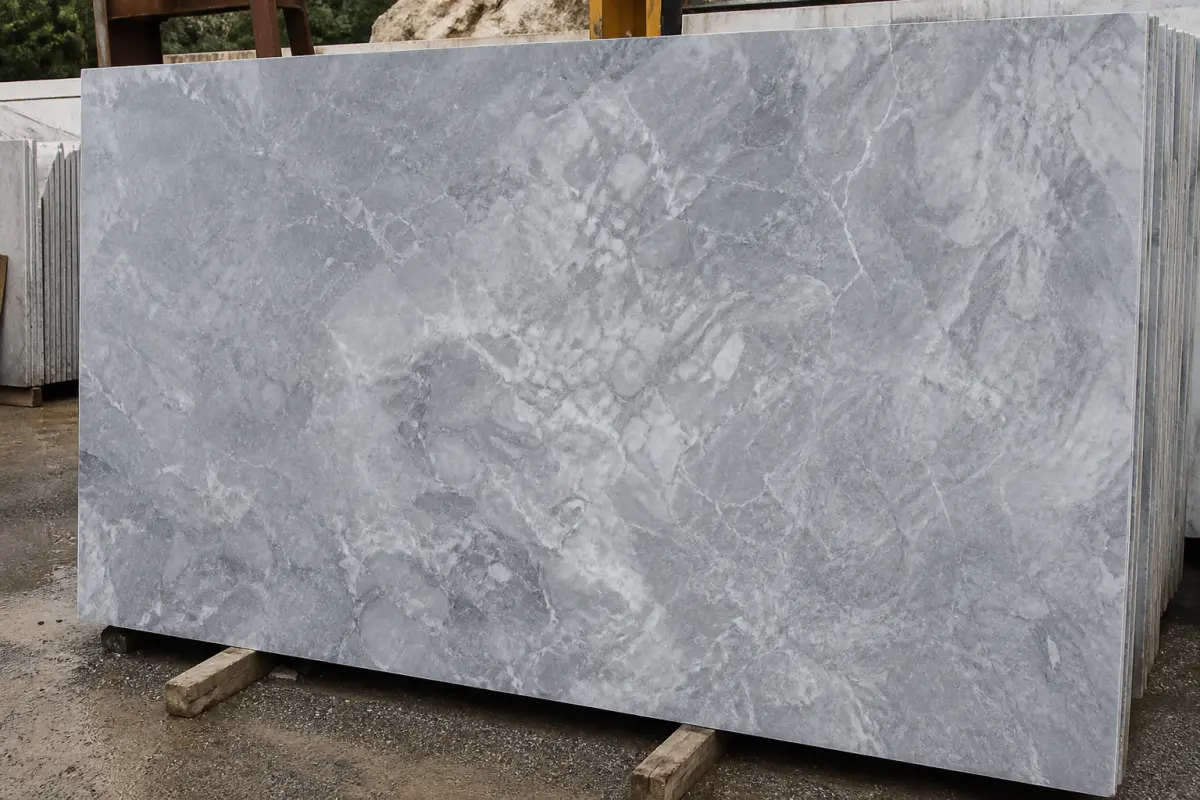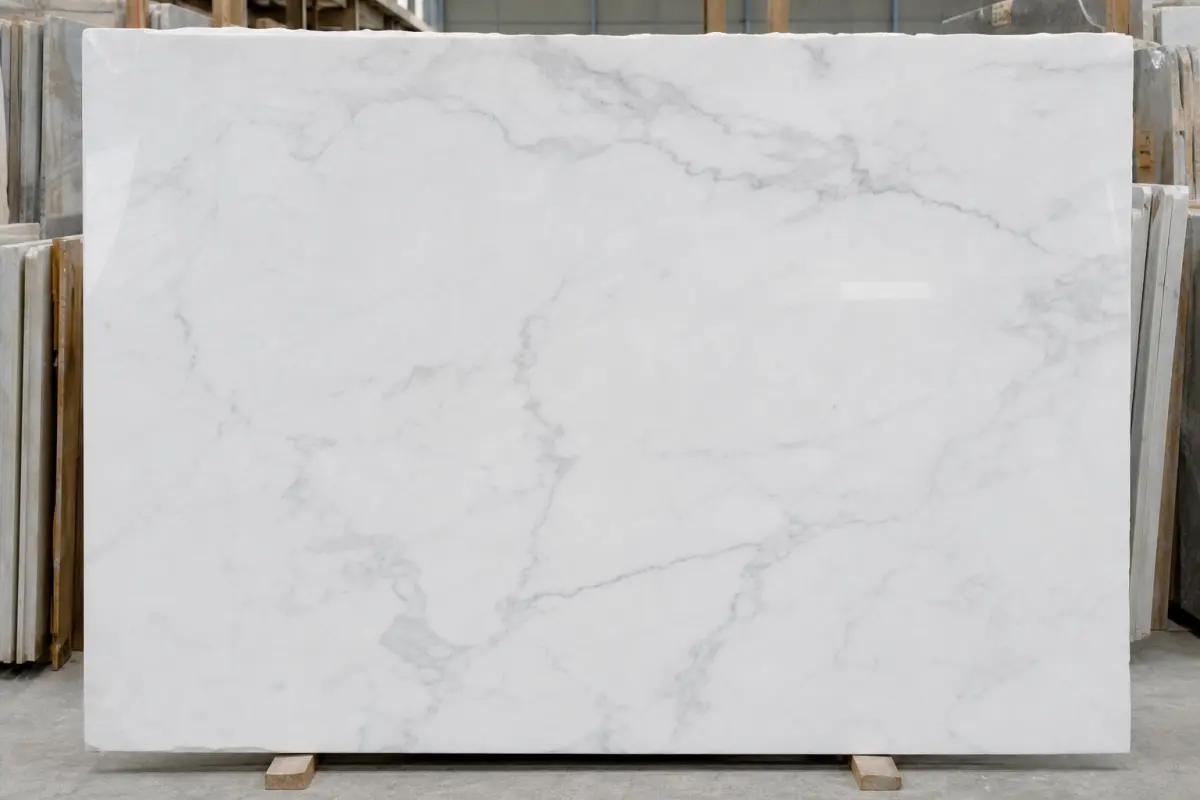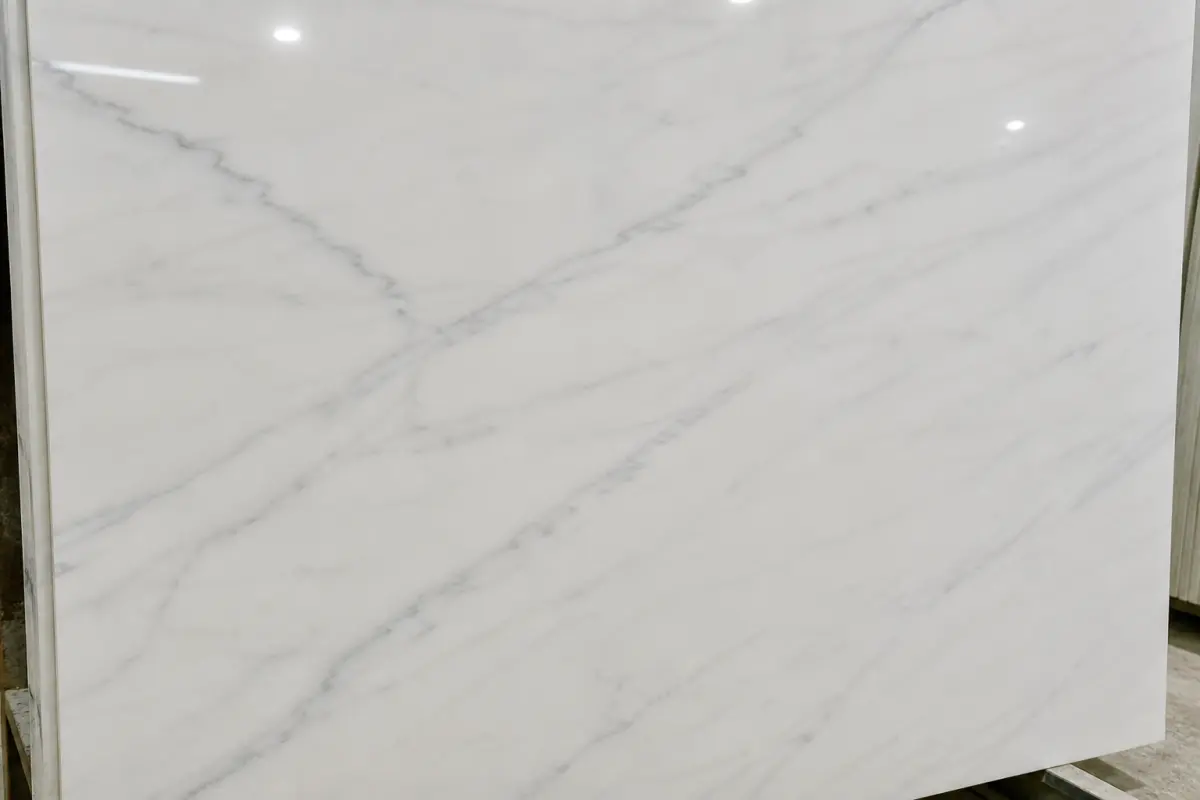
Khyber Pakhtunkhwa is not one marble market—it is a chain of districts from Mohmand to Hazara, each with different colours, factory density, and export habits. This research map explains where KP quarries, where mills cluster, and how buyers should read district names on invoices.
Buyers who type “Pakistani marble” into a search bar usually land on Buner or Swat within three clicks—and then stop. That is a mistake. Khyber Pakhtunkhwa spans more than a dozen districts where marble, granite, and allied dimension stone appear in provincial mineral summaries, PASDEC planning papers, and the daily truck traffic that feeds Karachi Port. A invoice that says “KP white” might mean Bampokha Sunny White from Buner, a Swat-range selection, Mardan grey, or material that was quarried in one district and sawn in another. This guide is a practical map: where stone is extracted, where it is processed, and how district names should shape your RFQ.
Malakand Division—Buner, Swat, Lower and Upper Dir, Shangla, Malakand, and Chitral in the wider regional picture—hosts the densest factory belt. KPBOIT and industry associations have cited on the order of 700 marble factories in Malakand Division alone, with roughly 500 in Buner credited with a majority share of Pakistan’s marble production in official cluster briefs. Treat that percentage as a political and statistical talking point, not a laboratory fact, but it correctly tells you that Buner is a processing capital as much as a quarry map dot.
Malakand Division: the core marble map
Buner District is the name on most export packing lists for white, grey, and black families tied to Bampokha, Nanser, Chamla, Chagharzai, and Elai. Quarry leases climb the hills; gangsaws and polish lines concentrate on valley roads through Torwarsak, Swari, and Kabal approaches. Commercial SKUs you will see on StoneVaults include Bampokha No.1 white slabs, Super White, Badal grey, and Nanser-area black. Pair district knowledge with our Buner quarry-direct supplier guide when you need factory GPS, not trader lore.
Swat District combines its own leases with Mingora–Kabal trading offices. Blocks and slabs move between Swat and Buner daily; “Swat marble” on a card may mean extraction in Swat, sawing in Buner, or both. PASDEC-era regional summaries cited large Swat marble and granite resource figures in planning documents—useful for long-term supply thinking, not for shade matching on this month’s container. See the dedicated Swat supplier guide for mine colours and direct-buy steps.
Lower and Upper Dir appear in buyer conversations for decorative and green-toned marbles and for cross-border trade patterns toward Afghanistan and down-country markets. Factory density is lower than Buner; many Dir-linked lots still pass through Mingora or Peshawar consolidators. Shangla and Malakand feed the same trucking corridors toward Mardan and the Peshawar ring road rather than owning the same factory count as Buner.
Merged districts and the western belt
Mohmand, Bajaur, and Khyber entered the same provincial mineral regime after the 2018 merger of the former FATA. Marble and onyx leases exist alongside security and infrastructure constraints that keep many buyers on the phone rather than at the face. Mohmand Marble City and related estate plans mirror the Risalpur story: government wants clusters with power and compliance; ground reality is still scattered units and NCP logistics culture on the roads. When a supplier cites “Mohmand white,” ask for lease district, saw location, and port loading point—same discipline as Buner.
Orakzai and southern merged areas produce stone for domestic markets first; export programmes usually integrate through Peshawar or Karachi forwarders. Do not assume every merged-district factory issues the same tax documentation as a settled-area exporter; the FATA/PATA sales-tax transition described in our Buner tax research applies across erstwhile tribal industrial units.
Settled KP: Mardan, Peshawar, Kohat, Hazara
Mardan District sits on the same geological belt as Buner with historical quarries and active leases in the literature. Many Mardan names on invoices reflect quarries with sawing outsourced to Buner’s Torwarsak belt—perfectly normal, but you should know which leg you are paying for. Mardan also hosts traders who aggregate KP stone for Punjab and Sindh construction markets.
Peshawar is admin and finance, not a quarry district. Showrooms, banks, customs brokers, and Azakhel dry-port linkages for tracked imports sit here. Your “Peshawar supplier” is often a trader with stock in a godown and subcontractors in Malakand Division.
Kohat and southern districts appear in wider mineral tables with smaller marble tonnage than Malakand; still relevant for buyers building a Pakistan portfolio that is not 100 percent Buner white.
Hazara Division—Abbottabad, Mansehra, Haripur—shows marble and granite in provincial summaries with factory activity oriented toward domestic construction and road projects on the CPEC northern approach. Hazara stone is not interchangeable with Bampokha on a hotel BOQ, but it matters for buyers sourcing “KP marble” for Islamabad–Rawalpindi and KPK highway corridor work.
How to use this map when sourcing
District names are quality and logistics variables, not marketing adjectives. Build RFQs that state quarry district (or acceptable alternates), primary saw location, thickness, finish, and port. Compare live listings on the Pakistan marketplace and cross-check extraction method where possible—our quarry tools guide explains why two “Buner whites” differ in yield and crack risk.
- Buner: Highest factory density; default for white/grey/black export SKUs and raw blocks.
- Swat: Mines plus Mingora hub; strong for mixed colours and Swat–Buner cross-trade.
- Mardan: Quarry heritage with much processing outsourced to Malakand mills.
- Merged western districts: Resource present; due diligence on security, tax invoice, and estate plans.
- Hazara: Domestic and corridor projects; different colour portfolio.
Khyber Pakhtunkhwa’s marble map is a supply chain diagram, not a tourist brochure. Read district names as nodes—lease, saw, polish, truck, port—and you will place smarter orders than buyers who stop at the first Buner WhatsApp number.
Provincial royalty and district labels on invoices
KP’s mines and minerals law distinguishes marble grades for royalty—super white, ordinary marble, and kanda—regardless of which district the truck left. That means a Swat-origin block sawn in Buner may carry Buner factory paperwork while royalty was assessed at quarry dispatch. Importers who audit land-based fees should ask for quarry dispatch slips, not only the polish-line invoice. Electricity and tax layers differ by whether the unit sits in erstwhile PATA; our notes on load shedding and factory tax apply across Malakand’s densest mill rows even when the stone was mined twenty kilometres away in another district.
Marble City Risalpur and planned Buner estates aim to pull scattered units into serviced parks—see our Risalpur supply-chain article in this series. Until those parks mature, the “map” is still a spread of sheds along rivers and roads. Buyers who map districts mentally before they map GPS coordinates negotiate better on ex-mill versus ex-quarry pricing.
Quick reference: districts buyers cite most
Export RFQs in 2026 still cluster on a short list. Buner and Swat dominate white and grey programmes. Mardan appears on quarry-origin certificates. Mohmand and Bajaur surface in domestic and regional trade. Hazara supplies northern corridor projects. Peshawar is the finance and forwarding layer, not a face name. Keep that hierarchy in your sourcing playbook and you will read Pakistani invoices the way local factory owners do—as a route map, not a brand slogan.